Archive
Archive for the ‘Genre-is-any’ Category
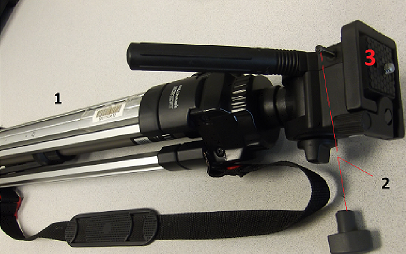
Checklist for light tripod (05-12)
2013/12/23
Leave a comment
- Are all Parts there?
- Tripod screw, wing nut
- Top plate – make sure this part is not missing!

- Test the Functionality
- Make sure that tripod can extend and stand on 3 legs, like so:

- Attach a camera to tripod.
- Move camera in all directions (top/bottom, left/right…)
- Make sure that tripod can extend and stand on 3 legs, like so:
- Maintenance:
- reduce tripod size again to its most compact position.
- Close all levers so that legs arrest.

Checklist for lavaliere microphones (01-03)
2013/12/23
Leave a comment
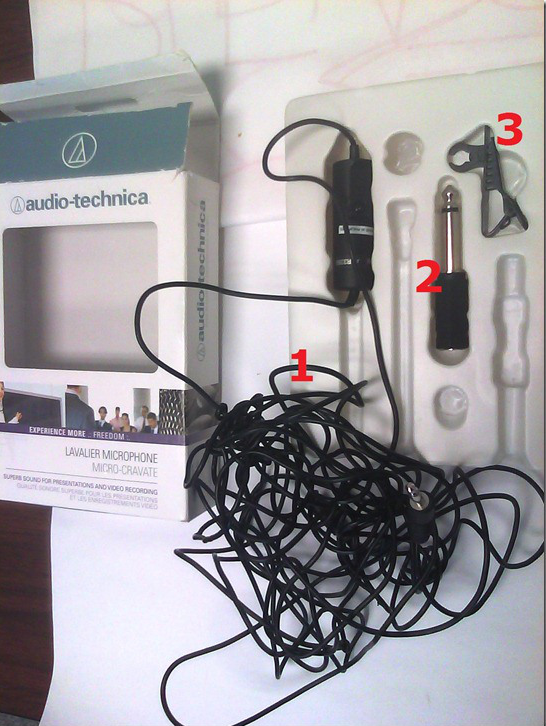
- Are all Parts there?
- Microphone with 3.5 mm cable
- Phono adapter (1/4’’)
- Clip

- Battery (pictured below)

- Test the Functionality
- Maintenance:
- If needed, exchange battery (from box on shelves with sign "office supplies")
- Ensure that microphone is turned off. Have returning student make sure the microphone is turned off (wears down battery).

Checklist for heavy tripods (01-04)
2013/12/23
Leave a comment
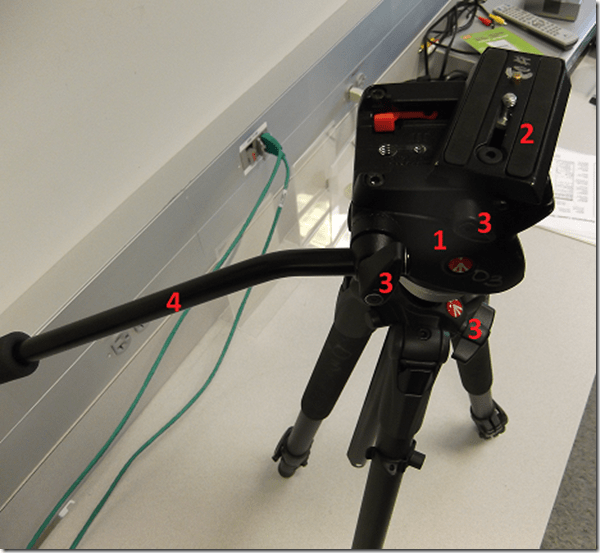
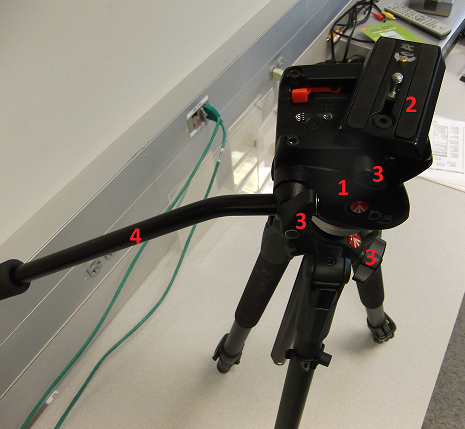
- Are all Parts there?
- Tripod
- Head plate
- Screws /wing nuts
- Handle
- Test the Functionality:
- Attach a camera to tripod.
- Move camera in all directions (top/bottom, left/right…)
- Maintenance:
- reduce tripod size again to its most compact position.
- Close all levers so that legs arrest.


Checklist for Rebel cameras (17/18/19/20)
2013/12/23
1 comment
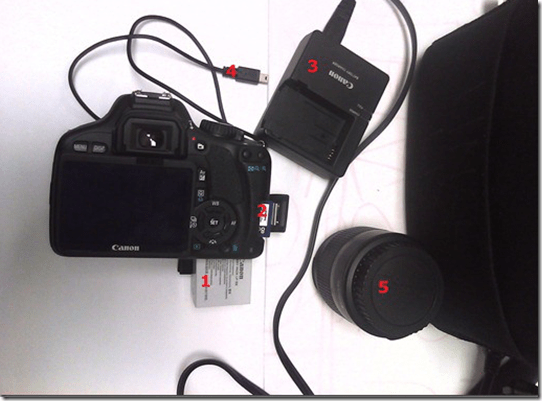
- Parts
- Battery
- SD Memory Card
- Battery Charger
- USB cable
- Lens
- Test the Functionality
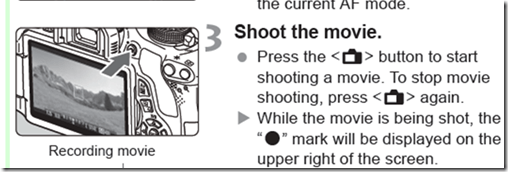
- Turn camera on
- Set to video
- Take a 5sec video

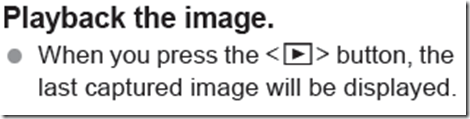
- Playback
- Maintenance
- Charge battery
- Initialize sd card like so.


Checklist for microphone booms
2013/12/23
Leave a comment
- Model:

- Parts:

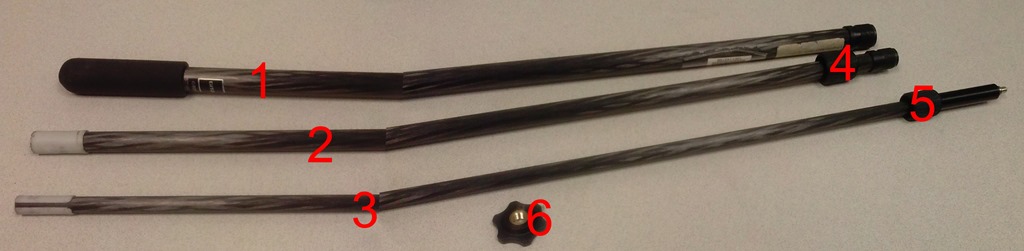
- 3 segments (1,2,3),
- 2 segment connecting screws (4,5)
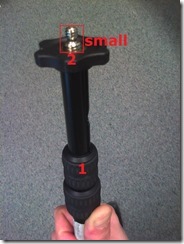
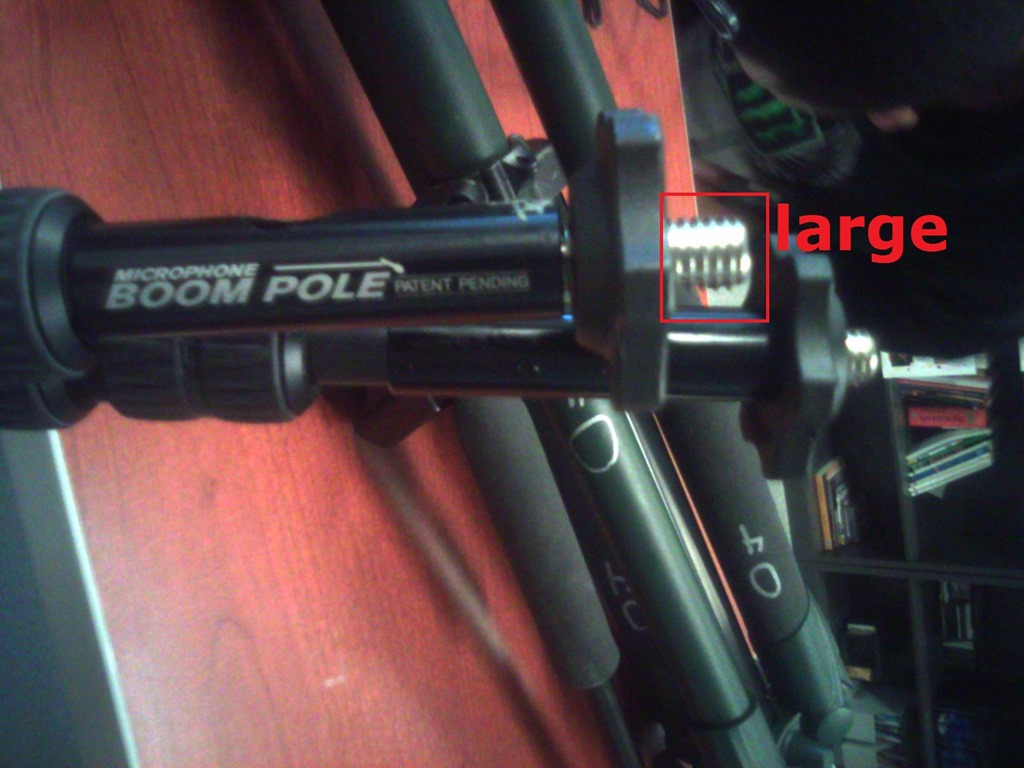
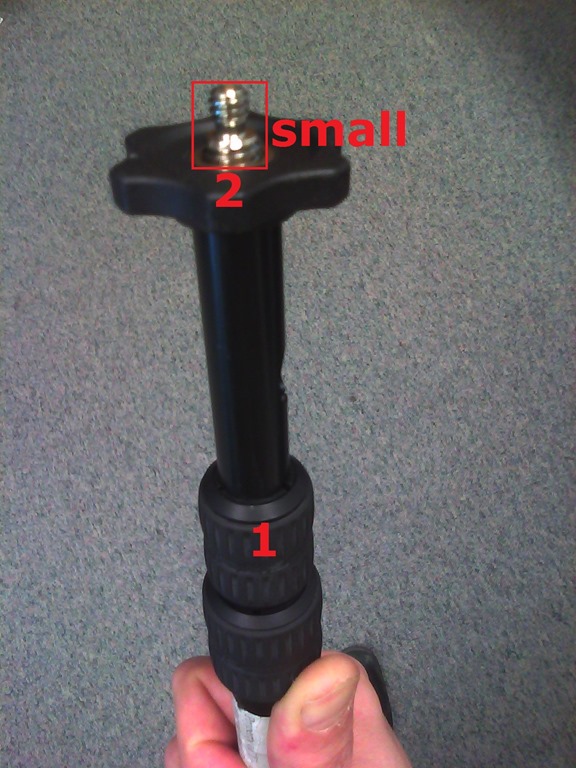
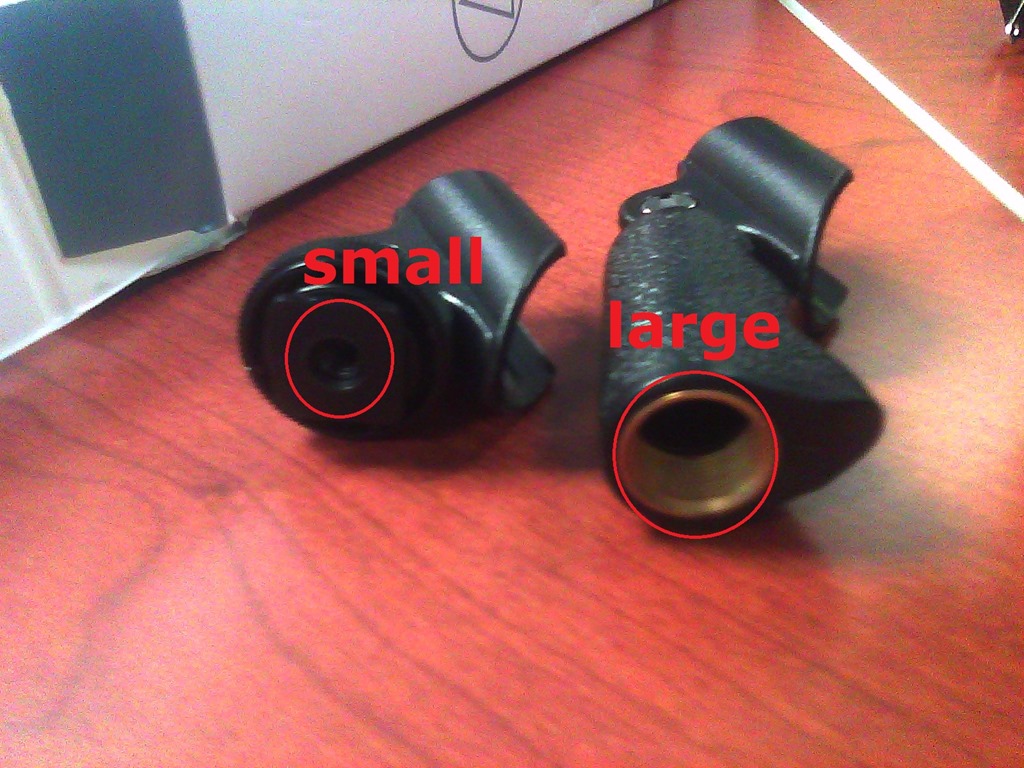
- 1 top screw (6) allows for attaching part “small”from shotgun mics (but “large” does not fit):


- 1 top screw plastic cap(not pictured)
- Functionality:
- Note that these parts are supposed to be assembled,
- and the plastic rings to be loosened,
- for the boom to extend, like so:



First steps with MS-Lync 2013 screen sharing and remote control during support calls
2013/12/12
Leave a comment
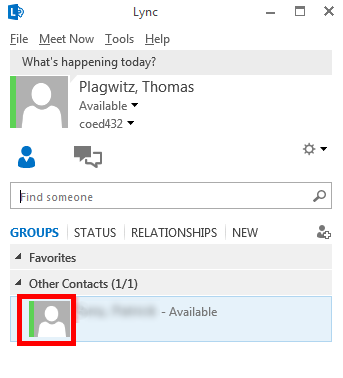
- Start a meeting, by double-clicking on somebody who shows as available in your contact list:

- If you then hover over the monitor item at the bottom, you get the option to “present”, i.e. show your screen to the other person your are meeting with. (Multi-monitor support seems good, if you have multiple monitors like we do):

- If you accept the sharing:

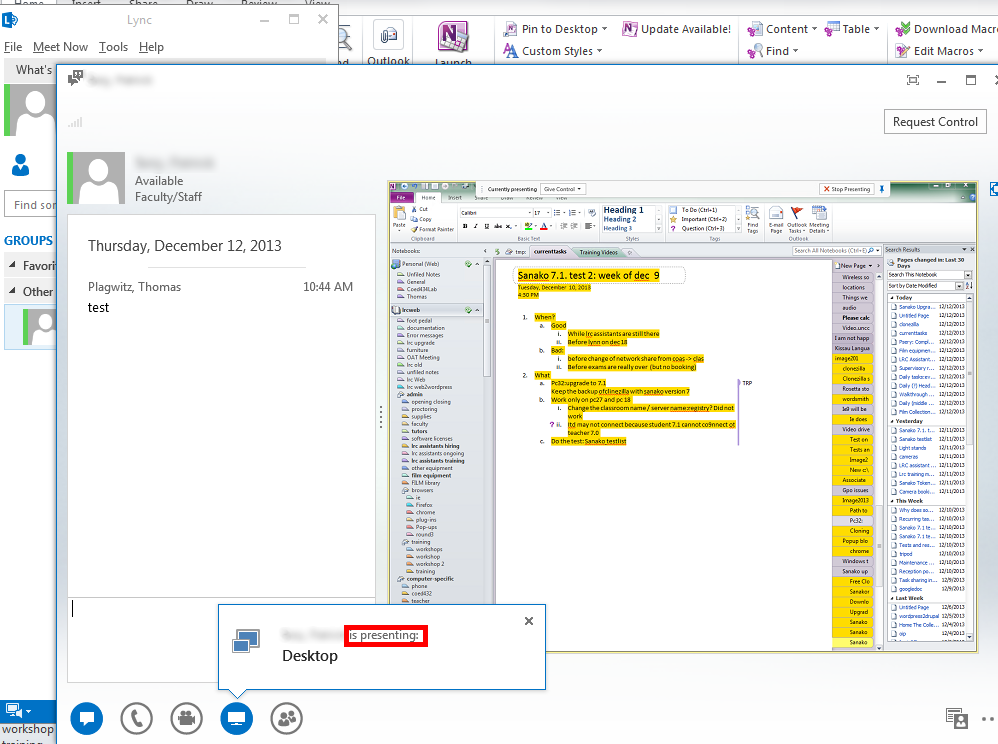
- Voilà, there is your colleague’s screen in a window on your desktop, watch her mouse actions:
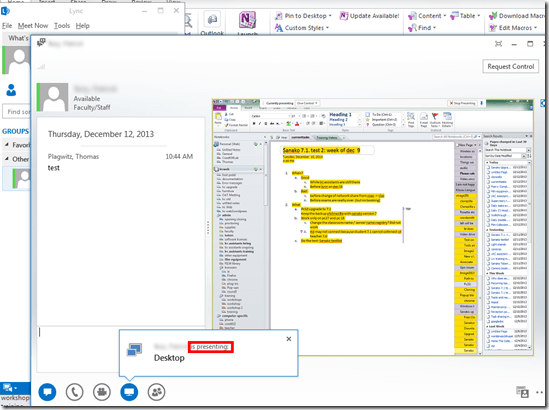
- The presenter
- receives a visual reminder:

- can also give you control to remote control her mouse:
 , the result of which looks like that: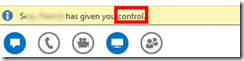
- can stop the presentation at any time.
- receives a visual reminder:
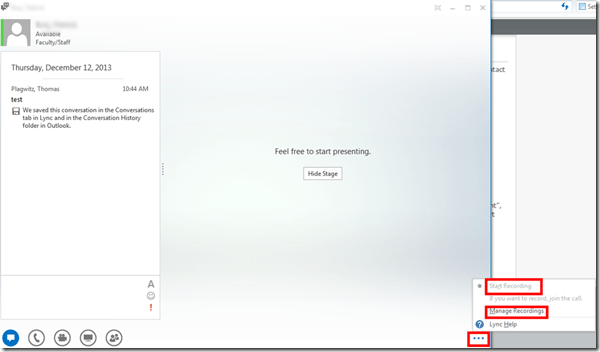
- Finally, the presentations can be recorded which could be extremely useful in a support call for later reuse/review either by the presenter or audience. Click on the 3 dots in the lower right of the “stage”window.
- It looks like a basic, easy workplace-wide screen sharing software that integrates with the local accounts could be extremely productive during daily collaboration. To make such a solution a system-wide service for calling support, one would probably need a queue and pool of supporters and call forwarding.





Questions? Read the About. Or just ask me a quick Our Databases: Resources with calendars -- Language learning material Moodle Sites, multimedia files -- films


FAQs for LRC student staff or for students or for teachers. To search our FAQs, in the browser addressbar, add after "https://plagwitz.wordpress.com/feed/?tag=faqs+/" "+TAG1" (from tag cloud below) OR "https://plagwitz.wordpress.com/feed/tag=faqs
&category_name=" "CAT1" (from category hierarchy below). OR search both categories and tags, and multiple TAGs/CATs (connect with "," for OR-search, with "+" for AND-search), like so: https://plagwitz.wordpress.com/feed/?tag=TAG1+TAG2+...TAGn&category_name=CAT1
+CAT2+...CATn"
Other ways to find help
If you cannot find it here, look there: 5,500 Language-Learning Links and Programs for learning or teaching 150 languages
Shortcuts:Our Lists, Our Maps, LRC Staff Moodle Site,LRC Project Moodle Site, 49erexpress, UNCC Moodle, Student Recordings: s:claslcslrcsanakostudent
Learning usage samples: Sanako oral exam, Kaltura webcam presentation, Dictation with speech recognition, Sanako written exam, Chinese and Japanese interactive stroke-order practice
Test the Sanako Installer, Webbrowser Popup Konfigurator for XP, or Windows7, faster LRC TeacherPC Log-in Let MS facilitate diacritics writing by installing for you US-International keyboard layout
This is my personal blog (Google+). The views expressed on these pages are mine alone and not those of my employer. The information in this weblog is provided “AS IS” with no warranties, and confers no rights.
 Thomas' Work Space