Archive
Archive for the ‘audience-is-any’ Category
How to share your calendar from Outlook (desktop)
2013/08/15
Leave a comment
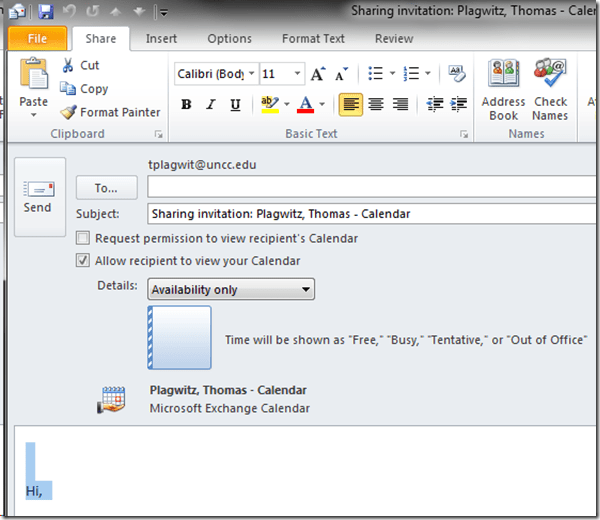
- Click “Share Calendar”:

- Choose your settings, then click “Send”:
- Or you could just rely on the campus default and have colleagues use the “scheduling assistant” in the “meeting request”,
- After adding participants

- their calendars can be seen – in timeline format, good for comparing availability of multiple meeting participants –after you click on ribbon item: “scheduling assistant”.

- In current OWA., “meeting request” and “scheduling assistant” look a bit different from/reduced (including permissions) compared to Outlook, as you can see here e.g..


Categories: audience-is-teachers, e-infrastructure, office-software
calendaring, ms-exchange, outlook, scheduling, sharing
How to fix a crash of the teacher station control panel
2013/08/15
Leave a comment
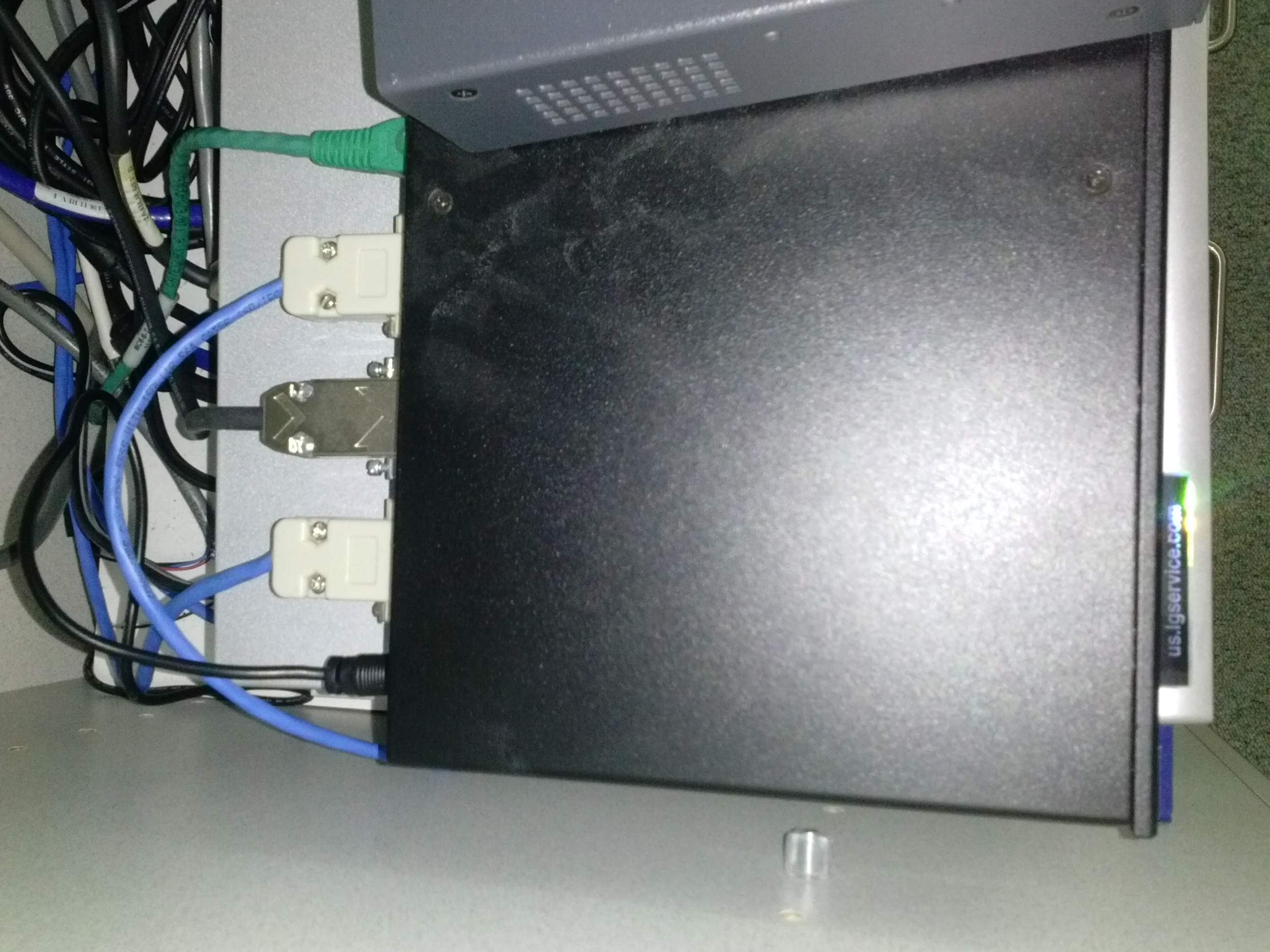
- Problem: control panel on the teacher station unresponsive (both hardware and software buttons). No AV and on/off switching.
- Cause: Octo switch in the AV cabinet crashed (it needs replacing).
- Resolution: Open the door to the AV cabinet and powercycle the switch (= unplug and replug the lower thin black cable in the 1st or top rightmost thin black cable in the 2nd photo). Or use the call button (still functional) and wait for help.


Example 6: How even a false beginner can work with foreign language Speech recognition on Windows 7 Enterprise
2013/08/14
Leave a comment
- Executive summary: Don’t let initial poor speech recognition results discourage your from using this feature. Results will much improve if you go through a few minutes of the built-in voice training for speech recognition. Like in the last 30 seconds of this video.
- With the upgrade to Windows 7 Enterprise in the LRC – and the continued availability of high-quality Sanako headphones on the majority of LRC PCs – , we can now offer speech recognition in a number of foreign languages – including French.
- This feature can be used for language learning exercises, including dictation, like in this example. How robust is windows 7 speech recognition?
- You can expose yourself to some embarrassingly bad French in this screencast – and that is the point. (My French is limited to a mere 2 high school years of 3-hour per week voluntary French studies, more than 30 years ago, no practice since).
- The screencast shows how even a (false) beginner can,
- 0:00-1:00: from terrible initial results,
- 11:45-12:10: considerably improve (not make perfect!) the foreign language (here French) speech recognition on Windows 7,
- 1:00-10:40: by going through the built-in voice training.
- The LRC computers are “frozen”between reboots, but students still need to train them only once, since they can back up and restore their training data easily.

- (This is not proof of the overall validity of the recognition – for that, you are better off watching this screencast with Windows 7 Enterprise speech recognition in German).
Workaround for Sanako study 1200 tutor v7 window limitations
2013/08/06
Leave a comment
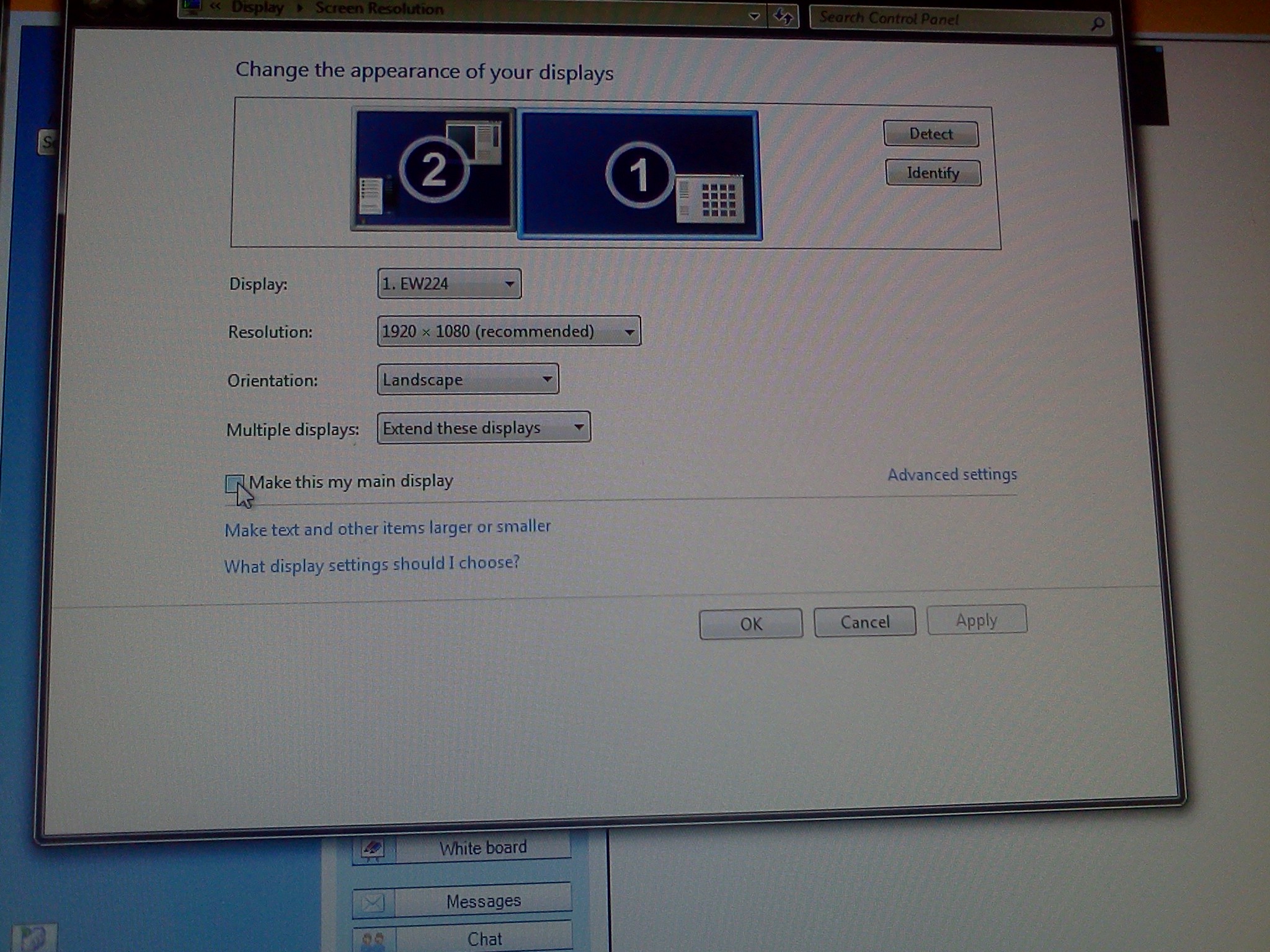
- Problem: Window maximizes only to size of,and location defaults to, primary screen. This is now on windows7.
- Workaround: make the screen whose size you desire the primary (and live with the side effects).
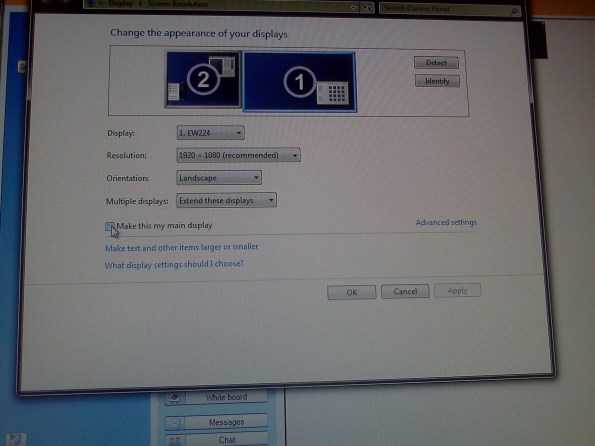
- Downside:
- Screencast recordings of instruction won’t work: Community Clips can only record the primary screen, which is not the screen displayed to students during regular teaching. Windows Media Encoder does not work with our non-standard dual screen configuration on Windows7.
Sanako student lite recorder needs reconfiguration
2013/08/06
Leave a comment
- Because of a misconfiguration, students now always have to make these two changes (on teacher screen) from the default configuration (on student screen) before their Sanako will become operational:

- If you made the default, but wrong choice “Lite recorder”, you will get stuck with this:
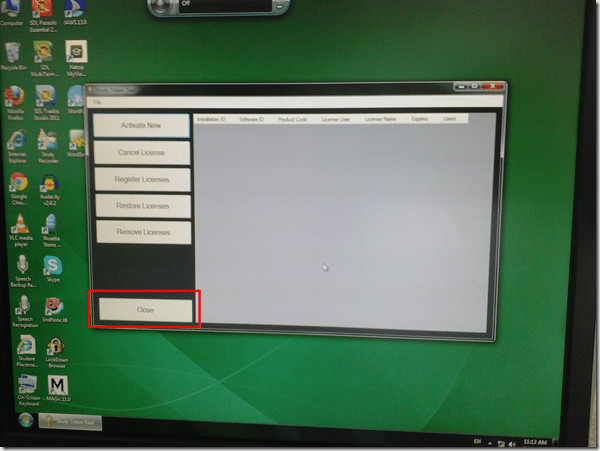
- To get out of it, click button:”close”and start over.


How to publish an OWA calendar to the internet
2013/07/31
Leave a comment
- For lack of PowerShell access, we have to:
- sign in as the resource :

- “click on publish” in the calendar’s context menu:

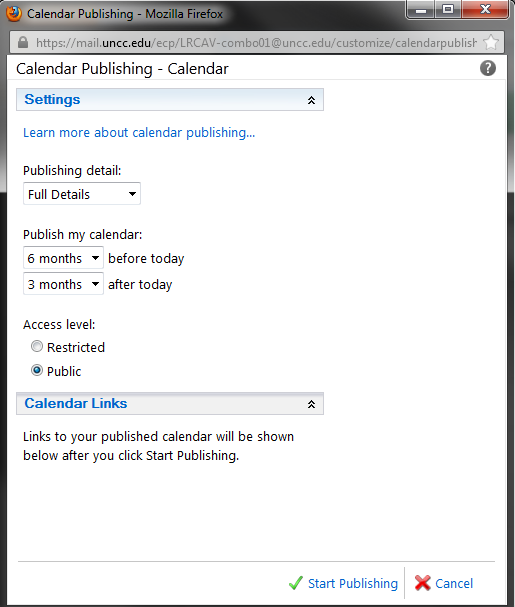
- choose these settings
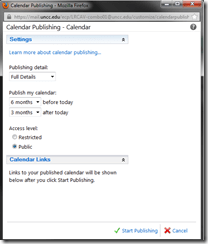 ”
”
- we do a lot of forensics and statistics, looking back throuhg the term, which is longer back than 3 months
- students do not need to book ahead at the beginning of the term for end-of-term projects, so we do not need 6 months forward;
- Result:
 .
.



Design options for the departmental WordPress-based website using Widgets and Pages
2013/07/28
Leave a comment
- For layout design:
- Go to http://[yo r site’s URL here]/wp-admin, e.g. http://lrc.unc.edu/wp-admin, and log in (you need site admin privileges , like I have for the LRC site).
- In the left-hand menu, click on “appearance”/ “widgets”
- You should see this:

- to design your right sidebar, follow the instructions on top of the widget list (i.e. drag and drop, then unfold the widget in question by clicking on the down arrow to the right
 to edit the appearance of the site.
- Go to http://[yo r site’s URL here]/wp-admin, e.g. http://lrc.unc.edu/wp-admin, and log in (you need site admin privileges , like I have for the LRC site).
- “Pages”(in the left hand menu)
- are an afterthought in wordpress which was originally based on dated posts (for a diary-like web logs), but can be useful for not time-sensitive , stable areas/sections of your site.
- You can include a bulleted or numbered list which you periodically update manually (click “edit” on the page)
- or, for frequently changing information (like lists of students), you can use a system that may have more initial learning curve, but in the long run makes updating easier
- embed an online spreadsheet from Google Apps or SkyDrive
- or embed an RSS feed like in the above example (if you have an RSS. provider).


How to quickly check if onboard audio is disabled on student PCs with Sanako headsets
2013/07/05
Leave a comment
- Sanako Study 1200 works best with its own Sanako SLH-07 headsets (they include a USB soundcard). When using these, it is best to completely disable the analog or other sound chip/card that came with your system (onboard). Usually, you can do this in the BIOS.
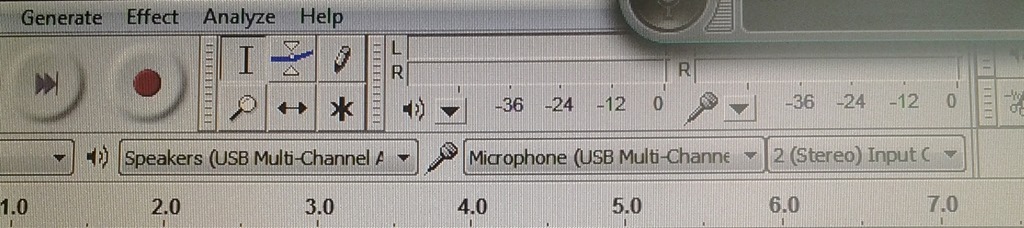
- Before you venture in there, an easy check on which computers is necessary is possible thanks to Audacity displaying the sound card options: Start Audacity form the desktop and look in the dropdowns under the top menu which sound devices Audacity has detected on the system:
- This example is form a PC where I had to fix it:
 . Audacity should not see the SoundMax if it has been disabled in the BIOS.
 - And this is what audacity should see (the USB sound card that comes with the Sanako SLH-07):
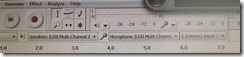
- This example is form a PC where I had to fix it:



Questions? Read the About. Or just ask me a quick Our Databases: Resources with calendars -- Language learning material Moodle Sites, multimedia files -- films


FAQs for LRC student staff or for students or for teachers. To search our FAQs, in the browser addressbar, add after "https://plagwitz.wordpress.com/feed/?tag=faqs+/" "+TAG1" (from tag cloud below) OR "https://plagwitz.wordpress.com/feed/tag=faqs
&category_name=" "CAT1" (from category hierarchy below). OR search both categories and tags, and multiple TAGs/CATs (connect with "," for OR-search, with "+" for AND-search), like so: https://plagwitz.wordpress.com/feed/?tag=TAG1+TAG2+...TAGn&category_name=CAT1
+CAT2+...CATn"
Other ways to find help
If you cannot find it here, look there: 5,500 Language-Learning Links and Programs for learning or teaching 150 languages
Shortcuts:Our Lists, Our Maps, LRC Staff Moodle Site,LRC Project Moodle Site, 49erexpress, UNCC Moodle, Student Recordings: s:claslcslrcsanakostudent
Learning usage samples: Sanako oral exam, Kaltura webcam presentation, Dictation with speech recognition, Sanako written exam, Chinese and Japanese interactive stroke-order practice
Test the Sanako Installer, Webbrowser Popup Konfigurator for XP, or Windows7, faster LRC TeacherPC Log-in Let MS facilitate diacritics writing by installing for you US-International keyboard layout
This is my personal blog (Google+). The views expressed on these pages are mine alone and not those of my employer. The information in this weblog is provided “AS IS” with no warranties, and confers no rights.
 Thomas' Work Space