Archive
Quizlet.com for Vocabulary learning practice
Neallt 2014 is featuring a presentation on “Using Quizlet.com to generate and share vocabulary activities” (William Price, University of Pittsburgh). I cannot attend, but the program inspired me to hold my own sneak preview:
Quizlet.com is yet another site that provides a variety of flashcard and quiz activities for a given wordlist. A nice example is the “Speller”activity – which proves a text-to-speech generated aural cue for dictation (not included in this video):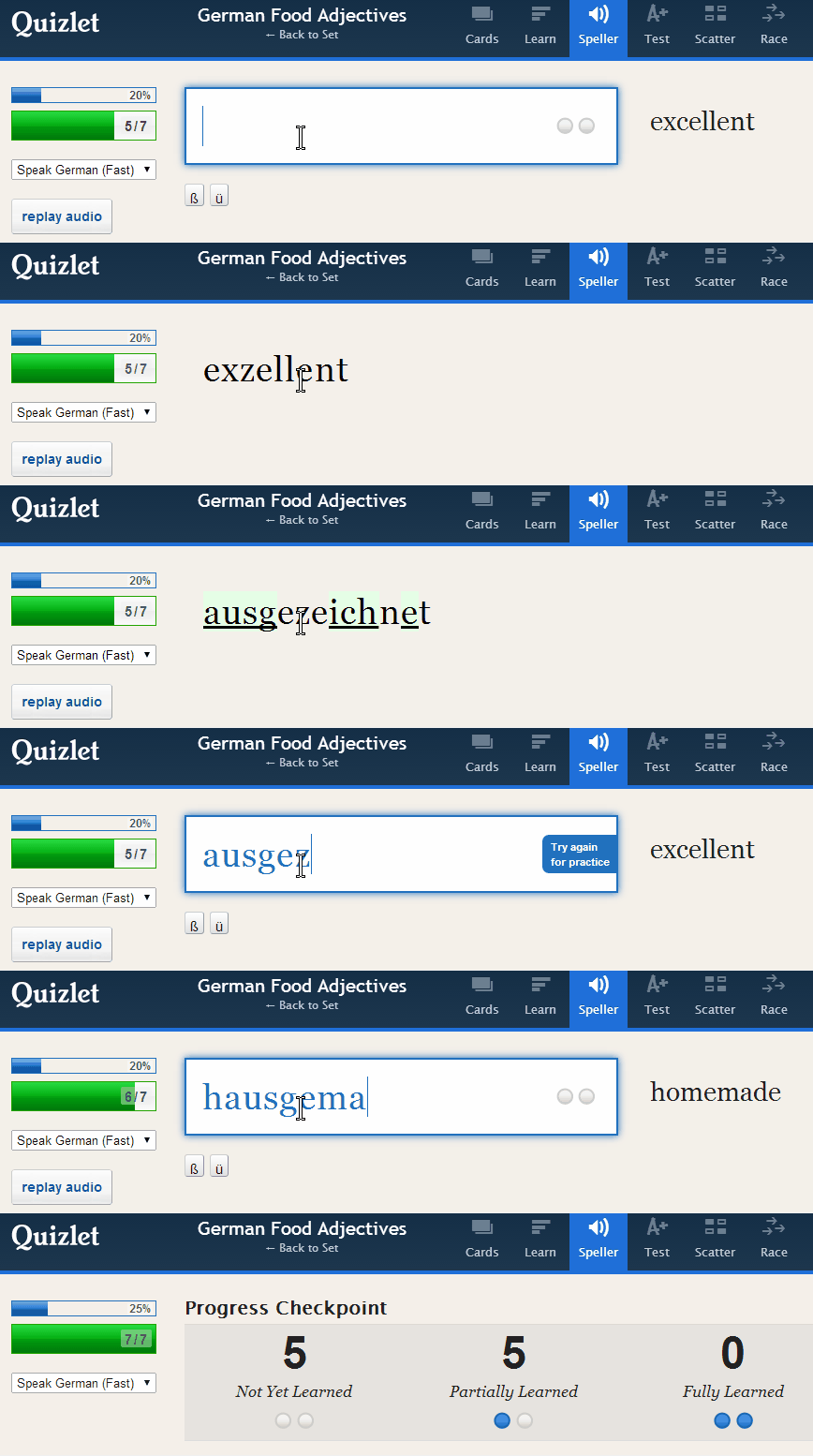
Or step-by-step:
 Unfortunately, the AI seems limited to only 1-1 L1-L2 relationships (which precludes how vocabulary seems to be learnt best: in phrasal contexts):

Feedback on “wrong” user input is color red, aural and visual presentation of the correct form: 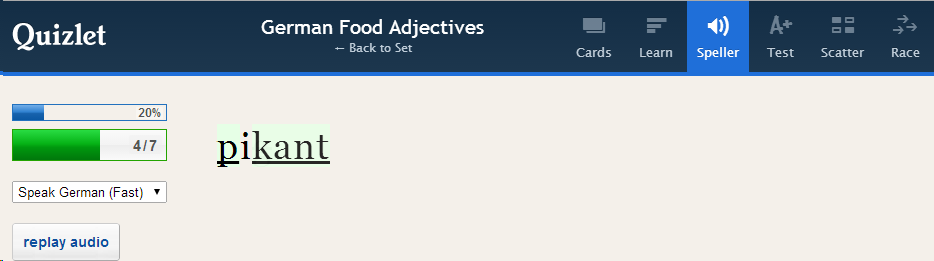
Then the application re-prompts for user input and allows user correction:
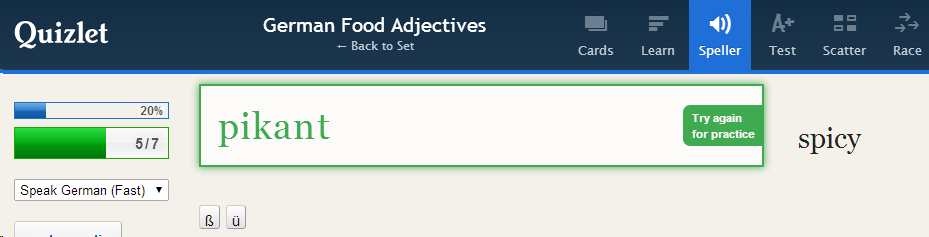
This is a “Test activity. Foreign language character input seems easy (but does beg the question since the inputs appear only when they are needed…)

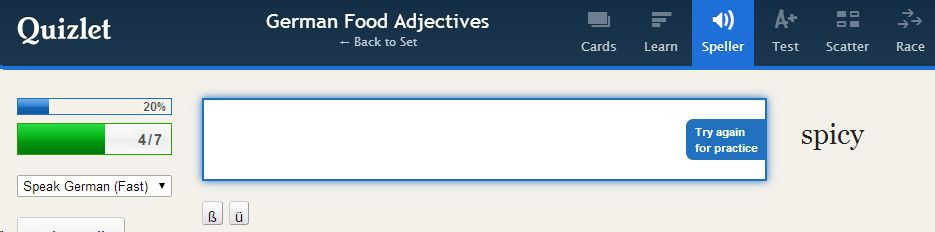
Mix-and-match is called Scatter:

Here is the activity overview: 
Wait, there is more: 
Quizlet supports many dozen languages, including non-western, including ancient, not differentiating between modern and ancient Greek, but the browsing capabilities – admittedly a hard task – are somewhat flat (search and language)):
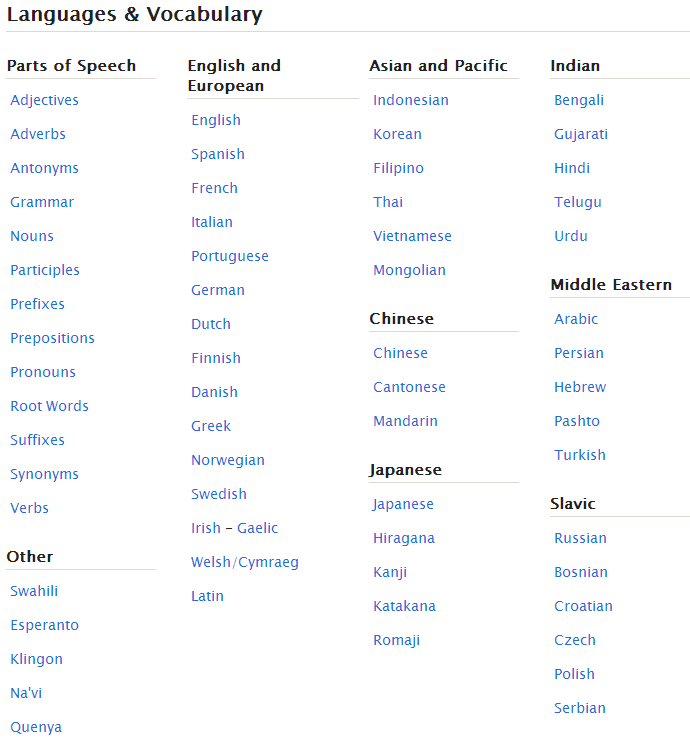
And boasts 20 million sets (as of today – many consisting of 2 terms or few more). As so often, usefulness for class instruction hinges on the availability of textbook-aligned vocabulary lists. However, if you have them with your textbooks, Quizlet makes it automatic to generate uploaded materials into exercises.
However, as said, you may not like how much you have to dumb it down.
Calendaring can improve instruction
It’s coming: “An Interactive On-line Course Calendar for Multi-Section Courses, by María Paredes Fernández (University of Pennsylvania): The interactive online course calendar was project that received funding from the Penn Language Center at the University of Pennsylvania in early 2012 to streamline class preparation for fellow colleagues, promote transparency for the students, and ensure continuity and quality instruction of the Accelerated Elementary Spanish Course, Spanish 121. The day’s lesson plans organized and uploaded on an interactive webpage on the course management systems Blackboard and Canvas. The lesson plans were comprehensive, as it featured the links, PDF documents and PowerPoint presentations of the day in one convenient location, and were easily shared with students to aid in their preparation. This talk will focus on how the interactive syllabus shaped this course and how it could work for other programs.”
Moodle can ICS exporting, which students and teaches can subscribe to in their NINERMAIL.
Audio player error message involving “pluginfile.php” in Moodle quiz
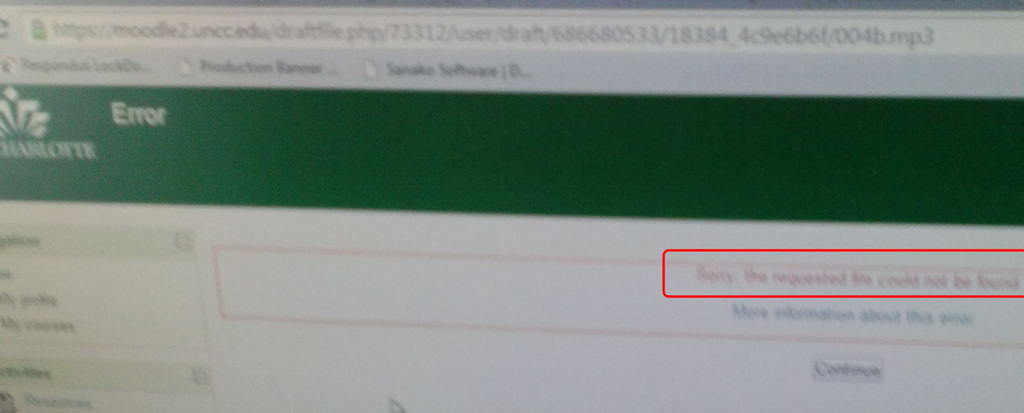
- LRC assistants may get called by students with this error regarding pluginfile.php in a Moodle quiz, it appears in the audio player interface itself and looks like this:
- The error messages flashes only briefly, and afterwards the audio simply will not play.
- In a Respondus lockdown browser quiz, you can bring up the error message again by clicking “next” and then resuming the attempt. When the quiz page reloads, the error message will briefly flash again.
- LRC assistants cannot work around this error, they need to alert permanent staff. Usually it is related to a quiz author needing to update the audio file link, like so:
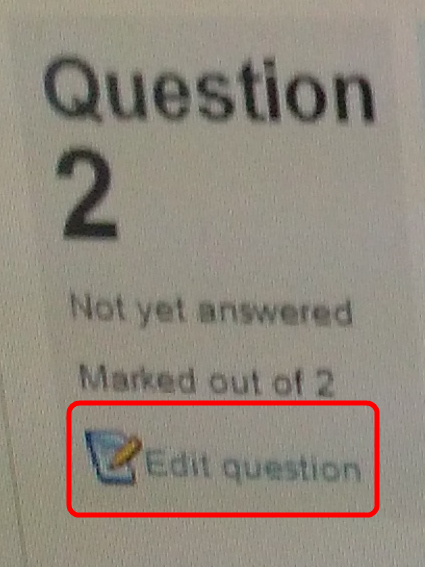
- Go into the quiz, on the left, click “edit the quiz”):
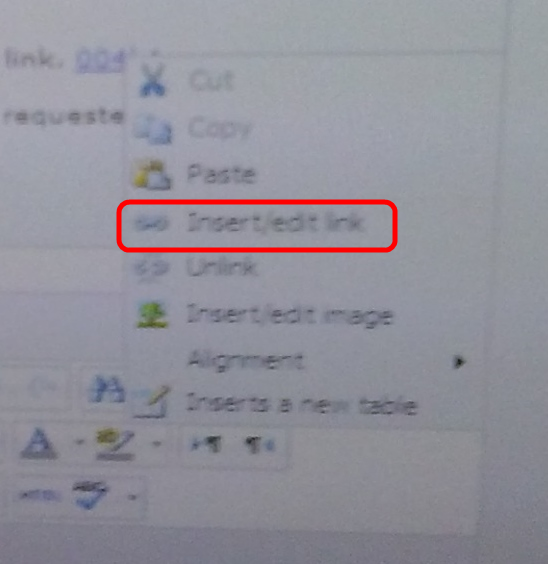
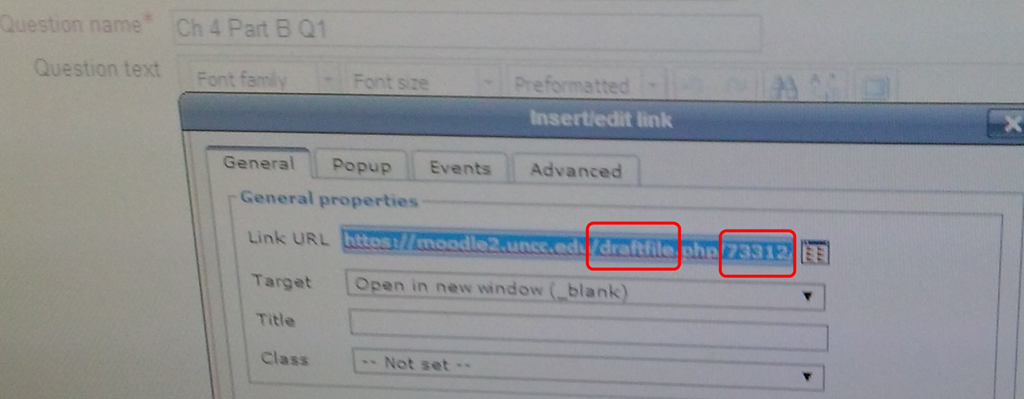
- Find the audio file link, edit the link:

- Can you actually load the link? If it says “file not found”, you have the root cause:
- Does it say “draft” in there? Not good. Copy the unique identifier from the path:

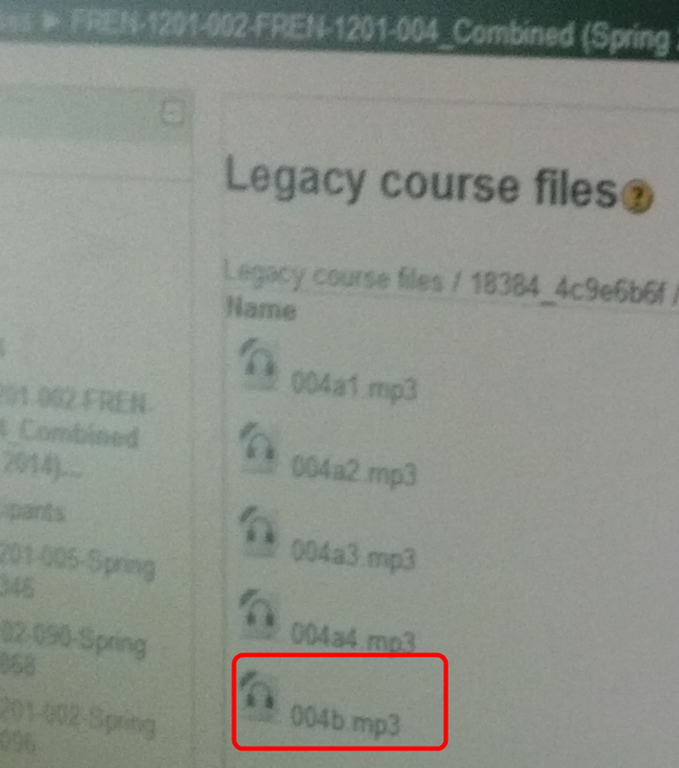
- Go to in Moodle course / Files section, locate the offending file (you can use the unique id you put in the clip board to search), i.e. make sure it actually exists:
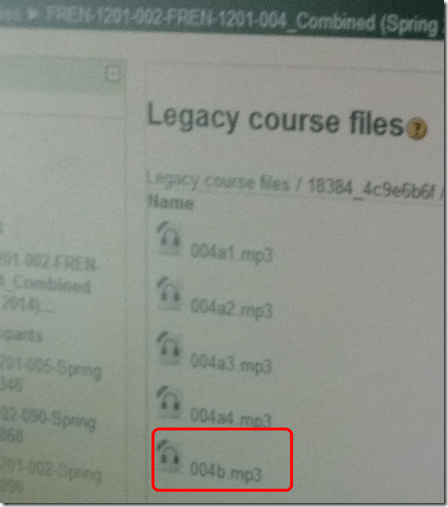
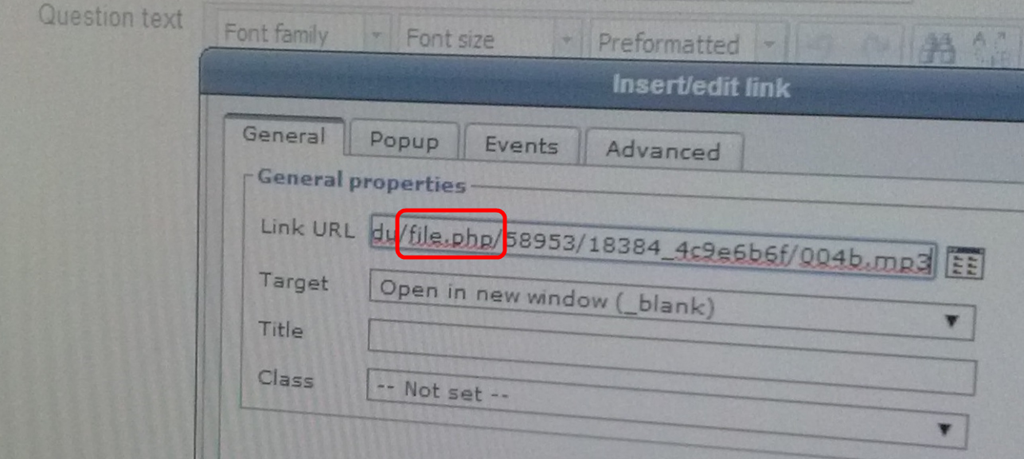
- Get the correct URL for the file, puit it int the clipboard:
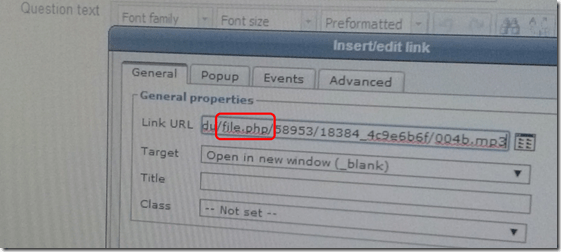
- Go back to editing the quiz, update the wrong URL with the correct one.
- Save the updated quiz.
- Go into the quiz, on the left, click “edit the quiz”):
- Now the student can reload the quiz, if in Respondus lockdown browser, like above by clicking “next”and back.

The Films on Demand subscription of Atkins library
- Benefits:
- provides access to over ten thousand streaming videos.

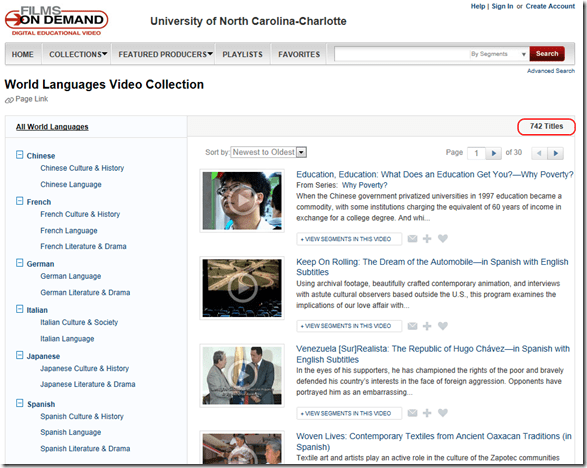
- including world languages:
- Remaining Problems:
- 741 titles for World languages is not a lot (additional materials may be applicable to language learning, but I do not see the most commonly requested foreign language films used in the department which we are currently trying to rescue across the demise of VHS). Any particular silo of information is not comprehensive (given the power of the network effect, YouTube wins hands-down most if the times),
- any content is difficult to integrate into a language skill curriculum,
- any added interface restrictions may make it more difficult, not more stable,
- not unlike YouTube, files you may have used, even linked, can get removed.
- the website seems to be available only on campus – even if you are logged into your campus account (university VPN will likely help, and not, given that it has video throughput issues).


Google new maps’ photo tour slideshow viewer

<Grumble> If these internet companies invent anything else, I won’t get out much anymore.</Grumble> (I have always loved “travelling on a map” too much already ).
).
This is not your grandparents’ photos feature in Google maps anymore. The new photo tour automatically (I must assume? Based on GIS data included in the photo, image recognition to cluster motifs?) intelligently tags the map includes highlights of well-known sights, and it seems to automatically group similar shots/motifs, providing the feel of an in-depth exploration, even presence. And the occasional grandparents in the foreground remind us, that this remains a crowd-sourced project…
Now how to plan a better intercultural map exploration class with this…
Call it “blog”, “CMS” or whatever, as long as your WordPress site visitor stats show that it helped people
I have been asked by a colleague about the “hits” in the upper right on my website. They are the number of visits I had(not counting myself, at least not when I am logged in – like many “bloggers”, I am likely my own best audience!  ).
).
My website could be called “a blog”, since it is based on WordPress, which started as a platform for blogging (but now – being so easy and flexible, and free (though not to host)- is behind every 5th website on the planet!).
WordPress is also the platform for the faculty blogs in CLAS-pages: If you are member of CLAS and not represented up there, I hope you know that you can request getting a CLAS-page here.
“Blog stats” is a hard-coded label that I cannot change. If I could, I’d prefer to call it “Content Management System stats” (that’s probably why they do not allow for changes ).
As opposed to just “web-logging” what is going on in my daily work life, I try to organize in this CMS the little things that I discover, hoping for reuse:
- by other people. That’s at least my justification for blathering, and I am sticking to it. (1125 posts? Really? Plus plus 1? Oh well… ).
- by myself. For the CMS and blogging habit (summarizing into a somewhat presentable, comprehensible form, and tagging for findability) makes me often search for answers that I have forgotten on my blog rather than on my computer (and that is despite me loving OneNote).
In my WordPress site (hosted on wordpress.com), I can see site visitor statistics like in the picture below: Includes search terms which led to clicks on one of my posts, countries of origin, outgoing links clicked etc.
I don’t do SEO or anything similar advanced on this website, nor do I use the statistics to cater to my audience (I am sure it is almost entirely transient). For me, it is just fun how I can glean from these statistics that I could help people find answers to their language, learning (and too often: computer infrastructure) questions and some of my work can be reused.

Heck, I decided to “blog” this email response, since it might answer the questions of a few more of colleagues than the person that emailed me.
How LRC assistants now help maintain LRC functionality with routine checks
Oral assessments have begun this week in the LRC. Please note that when using the LRC you may see LRC assistants going through the rooms doing a variety of chores (if need be, we can remind them that they must not disturb classes and other user activities).
We have written a large number of procedural guides, check lists with spreadsheets and illustrated parts lists (linked below) to train 7 groups of experts (varying in size between 2-6) in how to regularly inventory, test and maintain functionality of LRC equipment and services:
1. Daily LRC walkthrough check
2. Weekly headset test
3. Weekly film equipment check
4. Weekly staff and equipment calendar check
5. Biweekly faculty equipment check
6. Film collection maintenance (work in progress)
7. Help desk supervising

Samples of issues that we hope to address this way:
a. You check out a headset for recording learning materials over the last weekend before classes start and do not want to find it broken.
b. Your students come to the LRC for a quiz assignment/distance education and in the middle of it find the headset does not play audio while the timer/class is running.
c. You hold a recording class in the LRC and do not want to spend the first several more minutes – after the computers logged in – troubleshooting individual headsets that do not play or record.
d. Your students, when setting up film equipment for a film project (with location, actors/interviewees scheduled) have to find that the lights cannot stand essential since screws are missing.
e. Films cannot be located.
f. Etc.
I hope you will find experiencing fewer such issues a simplification in your interactions with the LRC .
How LRC assistants help maintain the film collection
Tuesday, January 21, 2014, 10:14:54 PM | plagwitz
Protected: How LRC assistants help with LRC room and resource mailboxes
Tuesday, January 21, 2014, 11:17:00 PM | plagwitz
New supervisor role for senior LRC Assistants
Monday, January 13, 2014, 7:09:36 PM | plagwitz
Friday, January 10, 2014, 10:45:32 PM | plagwitz
Friday, January 10, 2014, 8:52:51 PM | plagwitz
Thursday, January 02, 2014, 9:34:08 PM | plagwitz
Thursday, January 02, 2014, 9:00:44 PM | plagwitz
LRC daily walkthrough for all computers
Thursday, January 02, 2014, 9:38:44 PM | plagwitz
LRC daily walkthrough for classroom PCs
Thursday, January 02, 2014, 9:34:03 PM | plagwitz
LRC daily walkthrough for iMacs and printer
Thursday, January 02, 2014, 9:31:03 PM | plagwitz
LRC daily walkthrough for listening and group room stations
Thursday, January 02, 2014, 9:30:24 PM | plagwitz
Protected: A checklist for our regular equipment inventories
Monday, December 23, 2013, 11:43:29 PM | plagwitz
Checklist for the LRC Camera16
Monday, December 23, 2013, 11:32:25 PM | plagwitz
Monday, December 23, 2013, 11:19:13 PM | plagwitz
Monday, December 23, 2013, 11:15:42 PM | plagwitz
Monday, December 23, 2013, 11:14:29 PM | plagwitz
Checklist transcription foot pedal
Monday, December 23, 2013, 10:58:52 PM | plagwitz
Checklist for Voice recorder 03
Monday, December 23, 2013, 10:54:45 PM | plagwitz
Checklist for Voice recorder 01-02
Monday, December 23, 2013, 10:43:35 PM | plagwitz
Checklist for light kit (08-11)
Monday, December 23, 2013, 10:15:00 PM | plagwitz
Functionality tests for LRC microphones
Monday, December 23, 2013, 7:05:13 PM | plagwitz
Checklist for Vixia cameras (11-14)
Monday, December 23, 2013, 6:59:00 PM | plagwitz
LRC Wireless microphone basics
Monday, December 23, 2013, 5:59:04 PM | plagwitz
Monday, December 23, 2013, 5:25:24 PM | plagwitz
Checklist for light tripod (05-12)
Monday, December 23, 2013, 4:27:07 PM | plagwitz
Checklist for lavaliere microphones (01-03)
Monday, December 23, 2013, 3:29:47 PM | plagwitz
Checklist for heavy tripods (01-04)
Monday, December 23, 2013, 3:26:20 PM | plagwitz
Monday, December 23, 2013, 2:24:28 PM | plagwitz
Checklist for Rebel cameras (17/18/19/20)
Monday, December 23, 2013, 12:46:44 PM | plagwitz
Checklist for microphone booms
Monday, December 23, 2013, 12:34:00 PM | plagwitz
Wednesday, December 11, 2013, 3:02:51 PM | plagwitz
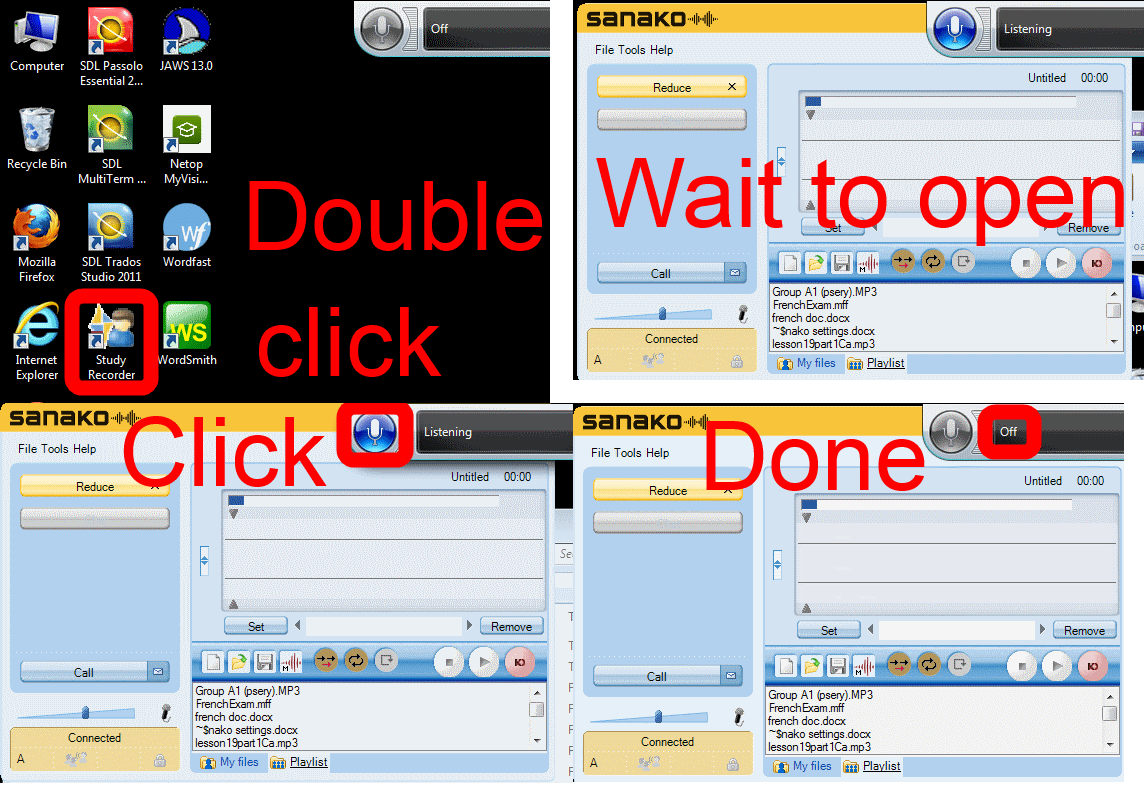
How students need to work around Sanako startup issues at start of 2014
UPDATE: Step 1 is not necessary anymore, Step2 (Microphone click) still is.

Questions? Read the About. Or just ask me a quick Our Databases: Resources with calendars -- Language learning material Moodle Sites, multimedia files -- films


FAQs for LRC student staff or for students or for teachers. To search our FAQs, in the browser addressbar, add after "https://plagwitz.wordpress.com/feed/?tag=faqs+/" "+TAG1" (from tag cloud below) OR "https://plagwitz.wordpress.com/feed/tag=faqs
&category_name=" "CAT1" (from category hierarchy below). OR search both categories and tags, and multiple TAGs/CATs (connect with "," for OR-search, with "+" for AND-search), like so: https://plagwitz.wordpress.com/feed/?tag=TAG1+TAG2+...TAGn&category_name=CAT1
+CAT2+...CATn"
Other ways to find help
If you cannot find it here, look there: 5,500 Language-Learning Links and Programs for learning or teaching 150 languages
Shortcuts:Our Lists, Our Maps, LRC Staff Moodle Site,LRC Project Moodle Site, 49erexpress, UNCC Moodle, Student Recordings: s:claslcslrcsanakostudent
Learning usage samples: Sanako oral exam, Kaltura webcam presentation, Dictation with speech recognition, Sanako written exam, Chinese and Japanese interactive stroke-order practice
Test the Sanako Installer, Webbrowser Popup Konfigurator for XP, or Windows7, faster LRC TeacherPC Log-in Let MS facilitate diacritics writing by installing for you US-International keyboard layout
This is my personal blog (Google+). The views expressed on these pages are mine alone and not those of my employer. The information in this weblog is provided “AS IS” with no warranties, and confers no rights.
 Thomas' Work Space