Archive
Archive for March, 2013
How a teacher can organize a student-controlled high-stakes assessment recording session using the Sanako in the LRC
2013/03/12
Leave a comment
- How:
- An initial central microphone and speaker test (animated step-by-step) is recommended. Clear the session afterwards.
- Recording: Have the student operate the Sanako recorder to individually record (like during a self-access assignment)
- For starters, teacher can display this narrated individual recordings with the Sanako Student Recorder training screencast, it auto-starts and auto-cycles):
- And/or explain:
- Red Record Button to record;
- Blue Stop button to stop recording
- Green Play Button to play their assignment for review (also use the recap button to jump back)
- Menu: “File / New”, if they want to redo the assignment.
- Button: call/envelope to call the teacher on the teacher station for help (an audio connection between student and teacher should pause the recorder automatically)
- Submitting:
- Individually by students:
- Menu “File” / “Save” (opt to save as student track mp3), to save locally, once student is happy to submit.
- (recommended:) upload the save file to a Moodle single-file upload assignment. Requires the teacher to create a Moodle Single file upload assignment, with optional attached file first.
- From the Sanako tutor at the teacher station:
- For entire class (If you do not need the flexibility to have students end at different times). TBA
- Group-wise (varying (staggered) recording times): TBA
- Individually by students:
- Pro’s:
- Less distraction from language learning by having to operate technology (editing audio rather then practicing L2) and more language-learning-specific features (sidetone, recap) than if using Audacity.
- Works with the Sanako Study 1200 teacher stations (e.g. automatic pause of recorder when remote connecting to student during monitoring of recording task).
- Con’s:
- noise interference with dozens of student speaking in a confined space simultaneously. Nobody wants to return to the language lab station of yore, i.e. in a cubicle. However, a teacher-controlled oral exam (sample video, step-by-step video),
- can play a soothing background sound to students over the headphones which insulates them from their neighbors (prevents both distraction and cheating);
- there is no room for distracting unrelated chit-chat;
- there is no need for distracting conversation when students do technical troubleshooting, during highly structured question/response exams.
- More user flexibility/control is achieved by more individual distracting operation of computer technology, which always implies more opportunity for user error. To reduce (not eliminate!) the error ratio:
- Students
- have to have received the general digital audio lab introduction for students.
- have to double-check their recordings for quality before submitting.
- Teachers
- have to monitor students’ recording progress closely
- which the Sanako Study 1200 teacher station (link cannot replace hands-on training) greatly facilitates (provided Students use the Sanako Student Recorder, as described above).
- however, even with a classroom management system like Sanako Study 1200, it is impossible to completely monitor a class size of students operating computers. Therefore teachers
- have to check the validity of submissions before students leave.
- If you use submission through Moodle, here are 2 tips how to do this quicker:
- Whether you use submission through Moodle or collection through Sanako tutor:
- view end of this video for how to quickly check validity of all file submissions in a folder using Audacity
- are advised to have a make-up assessment plan not only for those students missing the exam, but also for those that miss to complete the computerized multimedia assessment correctly.
- have to monitor students’ recording progress closely
- Students
- noise interference with dozens of student speaking in a confined space simultaneously. Nobody wants to return to the language lab station of yore, i.e. in a cubicle. However, a teacher-controlled oral exam (sample video, step-by-step video),
How teachers find their Sanako files – once they are in the right network share folder
2013/03/11
Leave a comment
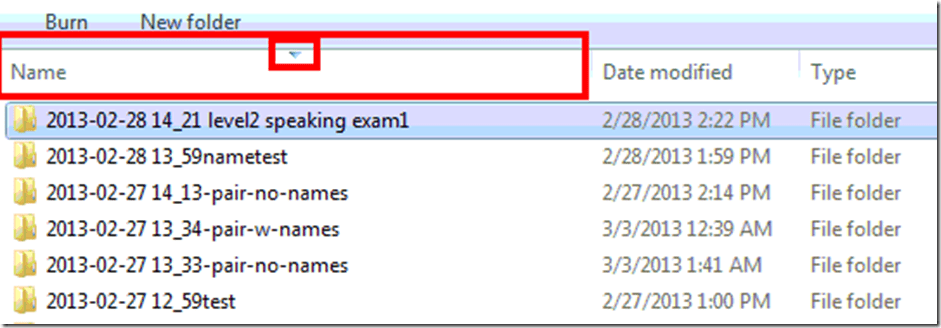
- The beginning of the folder name with your recordings corresponds to the date/ time the exam was collected (some translation required – the date time appears in this special format yyyy-MM-dd hh_mm) so that the folders can also be easily sorted by name, see below).

- When viewing the folder, click on the column headers to sort by name (sorting by date also often works):
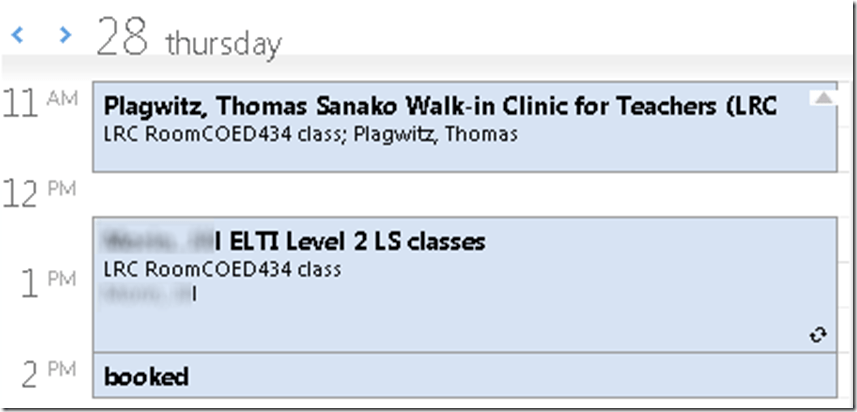
- If you forgot when you held your exam: The exam appointment is not only in the LRC room calendar (which can get busy and takes some prior setup to be searchable), but in your own NINERMAIL calendar, so that you can check there also:
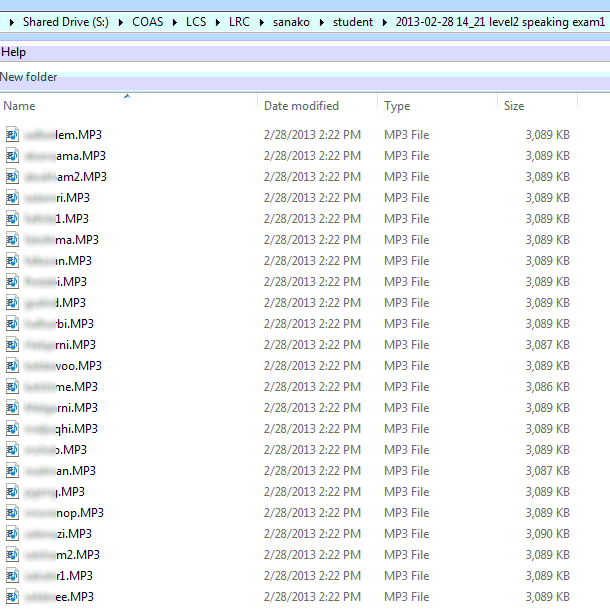
- We recommend that the exams (unlike the system tests (“nametests”) which can be collected using the computer name as filename) be collected using the student username as recording filename, you can also search the student folder for students with your username:

- We also recommend that you add a memorable (to you) tag to the folder name when collecting (in this case “level2 speaking exam1”) to make it easier for you to retrieve your assessments. The best tags in this world of computers helping us find things seem to be long unique strings (think of twitter hashtags).


Categories: digital-audio-lab, multimedia-recording, service-is-assessing
FAQs, files, sanako-study-1200
How teachers find their Sanako materials – even from home
2013/03/10
Leave a comment
- The best way (from your office) I described here and support, for lack of any other possibilities, by getting you the desktop shortcuts and Sanako student recorder.
- Other ways are supported by whatever home connection to network shares ITS supports:
- The myfiles portal: https://myfiles.uncc.edu
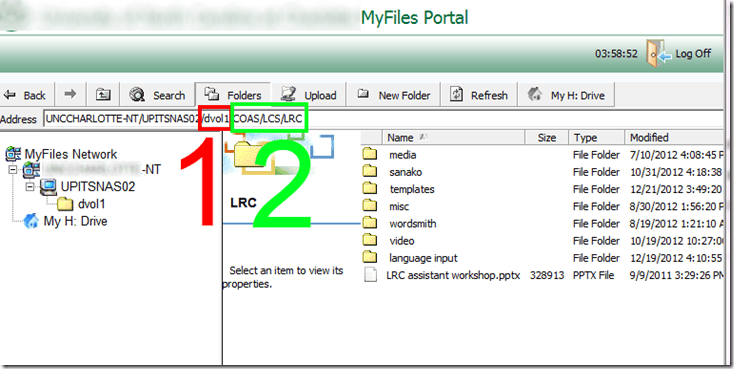
- You can use the folders listed in here,
- except you have to translate “S:” into (1) “DVOL1”.
- Rest stays the same (2).
- Cons’:
- Slower network
- You cannot easily save back after comment on your students audio or text (but give it a shot).
- VPN
- which I test and explain here in detail,
- Pro’s: it is a better experience
- instead of it requiring you to do yet another path translation, you can simply click here;
- you can (batch) open and save files (maintaining ownership) like on your office PC (no extra upload and download operations required, and no need to manually route files to students)
- Con’s: Slower network.
- The myfiles portal: https://myfiles.uncc.edu
General digital audio lab introduction for student users of the LRC
2013/03/02
Leave a comment
- The LRC has been upgraded from use of solely Audacity to a digital audio lab and classroom management system geared towards language learning, and teaching. The Sanako Study 1200 is a professional software suite that includes a remote-controlled dual track audio recorder with many specialized features not found in OSS audio editors and simple free web-based recorders. It successful use, even by so-called “digital natives”, requires, for lack of exposure, training .
- Archived online versions of overview training (for your review; sorry: viewing is NOT equivalent to taking the training) were published here when the Sanako was first set up:
- Specific tasks:
- How student downloads, edits and submits files sent from the teacher with Sanako Study 1200 Homework –the ultimate training summary….
- How students can do voice insert recordings with Sanako Study 1200 student recorder – the ultimate training summary…
- More student task training videos are being added continuously as time permits, check back at this link: Sanako step-by-step training videos for students.
- Sorry, we have no self-study online tests to check learning outcomes in digital audio lab proficiency. However, we offer interactive live trainings for classes.
How the LRC tracks volunteer tutoring usage
2013/03/02
Leave a comment
LRC Volunteer tutors (different from the tracking of CAE tutors; but modeled after their tracking, to be promoted to a CAE tutor), when they arrive AND when they leave the LRC:
- at the LRC reception desk (ask the LRC assistant to show the 49erExpress window),
- log into their NINERMAIL, go to their calendar,
- open their tutor appointment ("series", NOT "occurrence" – however, if this is a non-repeating appointment, create one),
- receive a check-in/out code from the LRC assistant spreadsheet (ask the LRC assistants for that),
- 5. when checking out, also briefly describe work done:
- tutoring done (which student(s),
- what topic(s) and work (make sure to comply with the tutor ethics code)
- how much time spent on each topic.
- "Send update" to meeting request
- log out.
How to batch download all submissions as a zip file from a Moodle: Gradebook File-upload assignment column.
2013/03/01
Leave a comment
- I have no file upload assignment with submissions handy in my own Moodle course, so I am patching this together from other universities (thanks, umass.edu, cotc.edu).
- “ Another time saver you can use is the Download all assignments as a zip link. This will package all uploaded documents from any submissions in the assignment into
a zipped folder that you can download. Once downloaded, you can unzip the file and access each paper. This can be a real time saver!”. Image: 
- Extra: This procedure will add the student’s name to the file. No more wading through submitted audio files named by students trying to identify submitters.
Categories: e-learning, grading, lms
automation, batches, file-upload, files, gradebook, moodle
LRC offers generating audio files from your foreign language texts
2013/03/01
2 comments
- Would you like to expose your student to L2 listening materials beyond the audio learning materials that come with your textbook?
- Materials customized to the learning needs of your classes? From current affairs maybe?
- Would you prefer no to send them to internet audio that may be difficult and time consuming to integrate?
- Do you lack the time to record speaking cues, oral exam questions or reading models yourself?
- Do you need audio files that you and your students can rewind/fast forward/replay, edit and record into with voice insert?
- And would you prefer using audio in your classes that comes with aligned text, whether that audio that has been transcribed or vice versa, to create glossaries, captions, multimedia assignments?
- The LRC now offers generating audio files from your foreign language texts in many languages.
- The service is based on the quality voices of Google Translate text-to-speech (better (simpler) than its actual translation portion, let alone its naïve use).
- Unlike Google translate, the service persists longer than 100 character texts to audio files (mp3) that (and the underlying digital text) we can work with further, in your syllabus, the LMS and the digital audio lab.
- Technical background and samples.
- Languages that are available in good quality: See links under this post; other languages: please test with me..
- To request an audio file generation for your class, send the following information to the LRC
- regular reading/listening materials: plain digital text should do;
- SANAKO oral exam cues: please enter the text in this MS-Word table and add information in the additional columns for exam customization.
How to have Microsoft add US-International keyboard layout shortcuts for you automatically
2013/03/01
Leave a comment
Add the United States-International keyboard layout (Microsoft Fix it 50558). Saves you reading and following the rest of the instructions here: http://support.microsoft.com/kb/306560.
Save 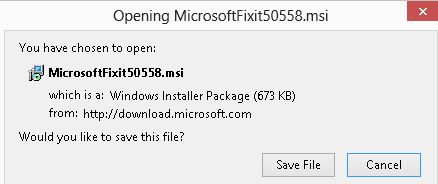 ,open:
  and agree:
 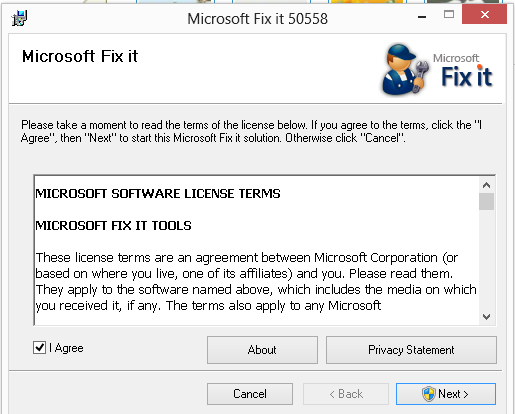 .
.
You will get:
International.
| Press this key | Then press this key | Resulting character |
| ‘(APOSTROPHE) | c, e, y, u, i, o, a | ç, é, ý, ú, í, ó, á |
| "(QUOTATION MARK) | e, y, u, i, o, a | ë, ÿ, ü, ï, ö, ä |
| `(ACCENT GRAVE) | e, u, i, o, a | è, ù, ì, ò, à |
| ~(TILDE) | o, n, a | õ, ñ, ã |
| ^(CARET) | e, u, i, o, a | ê, û, î, ô, â |
For Windows 7, in Windows Vista, and Windows XP. Finally, view this if you are still on Windows 3.1. 
Categories: French, German, Italian, Polish, Portuguese, Spanish, Writing
foreign-language-character-input, ms-windows

Questions? Read the About. Or just ask me a quick Our Databases: Resources with calendars -- Language learning material Moodle Sites, multimedia files -- films


FAQs for LRC student staff or for students or for teachers. To search our FAQs, in the browser addressbar, add after "https://plagwitz.wordpress.com/feed/?tag=faqs+/" "+TAG1" (from tag cloud below) OR "https://plagwitz.wordpress.com/feed/tag=faqs
&category_name=" "CAT1" (from category hierarchy below). OR search both categories and tags, and multiple TAGs/CATs (connect with "," for OR-search, with "+" for AND-search), like so: https://plagwitz.wordpress.com/feed/?tag=TAG1+TAG2+...TAGn&category_name=CAT1
+CAT2+...CATn"
Other ways to find help
If you cannot find it here, look there: 5,500 Language-Learning Links and Programs for learning or teaching 150 languages
Shortcuts:Our Lists, Our Maps, LRC Staff Moodle Site,LRC Project Moodle Site, 49erexpress, UNCC Moodle, Student Recordings: s:claslcslrcsanakostudent
Learning usage samples: Sanako oral exam, Kaltura webcam presentation, Dictation with speech recognition, Sanako written exam, Chinese and Japanese interactive stroke-order practice
Test the Sanako Installer, Webbrowser Popup Konfigurator for XP, or Windows7, faster LRC TeacherPC Log-in Let MS facilitate diacritics writing by installing for you US-International keyboard layout
This is my personal blog (Google+). The views expressed on these pages are mine alone and not those of my employer. The information in this weblog is provided “AS IS” with no warranties, and confers no rights.
 Thomas' Work Space
