Archive
Call it “blog”, “CMS” or whatever, as long as your WordPress site visitor stats show that it helped people
I have been asked by a colleague about the “hits” in the upper right on my website. They are the number of visits I had(not counting myself, at least not when I am logged in – like many “bloggers”, I am likely my own best audience!  ).
).
My website could be called “a blog”, since it is based on WordPress, which started as a platform for blogging (but now – being so easy and flexible, and free (though not to host)- is behind every 5th website on the planet!).
WordPress is also the platform for the faculty blogs in CLAS-pages: If you are member of CLAS and not represented up there, I hope you know that you can request getting a CLAS-page here.
“Blog stats” is a hard-coded label that I cannot change. If I could, I’d prefer to call it “Content Management System stats” (that’s probably why they do not allow for changes ).
As opposed to just “web-logging” what is going on in my daily work life, I try to organize in this CMS the little things that I discover, hoping for reuse:
- by other people. That’s at least my justification for blathering, and I am sticking to it. (1125 posts? Really? Plus plus 1? Oh well… ).
- by myself. For the CMS and blogging habit (summarizing into a somewhat presentable, comprehensible form, and tagging for findability) makes me often search for answers that I have forgotten on my blog rather than on my computer (and that is despite me loving OneNote).
In my WordPress site (hosted on wordpress.com), I can see site visitor statistics like in the picture below: Includes search terms which led to clicks on one of my posts, countries of origin, outgoing links clicked etc.
I don’t do SEO or anything similar advanced on this website, nor do I use the statistics to cater to my audience (I am sure it is almost entirely transient). For me, it is just fun how I can glean from these statistics that I could help people find answers to their language, learning (and too often: computer infrastructure) questions and some of my work can be reused.

Heck, I decided to “blog” this email response, since it might answer the questions of a few more of colleagues than the person that emailed me.
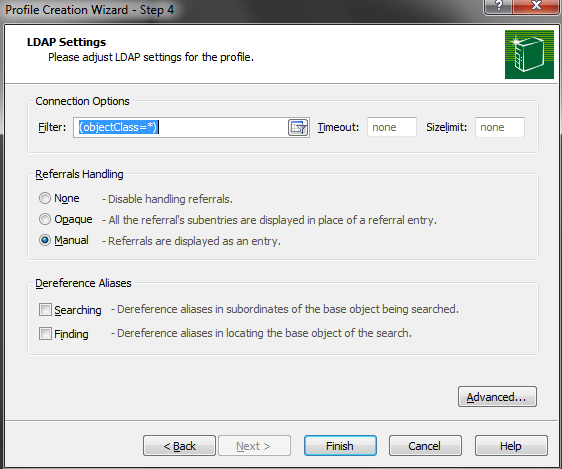
Exploring the active directory
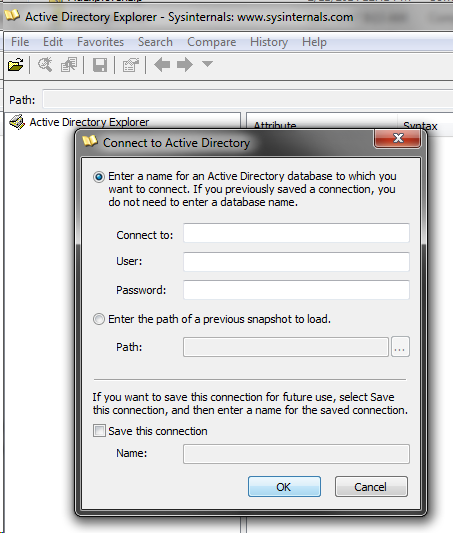
(leave database blank for default on the domain you are joined to)



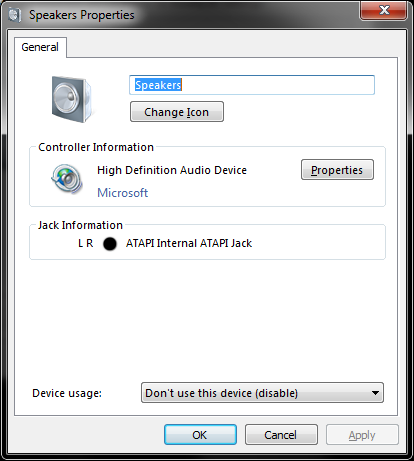
Run mmsys.cpl if you get no audible output in a Blackboard IM call on your PC
- Problem: Blackboard IM (4.5.3), in its call window , gives you audio output volume meters
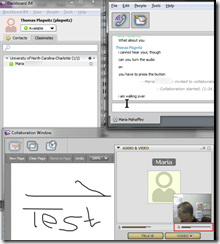 , but no actual audio output.
 - Reason: Blackboard IM seems to have its on in-built idea which device to output audio to, even if you have no actual speakers plugged in to hear, and it is rather difficult to dissuade.
- Solution:
- Start / Run /”mmsys.cpl”, “OK”: Do the volume meters in there indicate that Blackboard IM outputs to another but your expected speaker (even if the other device is not the default)?


- Right-click on the other speaker device and Disable it.
- Also make sure to restart Blackboard IM. The built-in startup / dial tones will tell you immediately whether audio output works now

Internet Explorer add-ons to disable
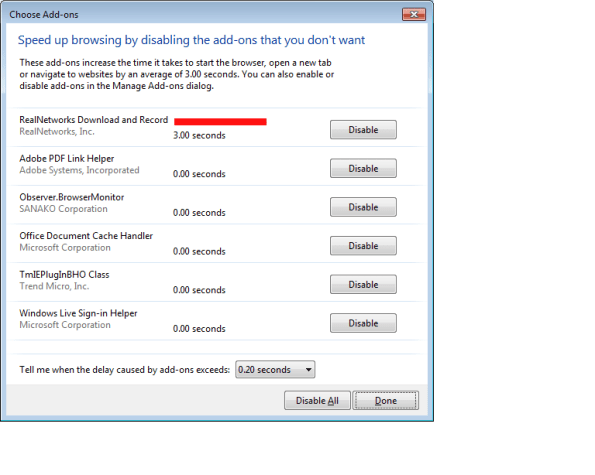
- Problem: we need Realplayer for some legacy media, but Realdownloader is an unwanted feature.
- “download this video” tooltip distracts
- slows down internet explorer startup
- Workaround
- Sprocket/Manage Add-ons / Disable for Realnetworks looks like a good idea – may have to be done for all browser
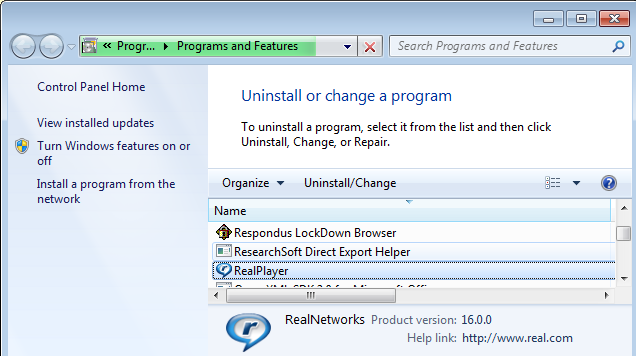
- appwiz.cpl indicates a separate uninstall does not seem possible

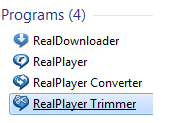
- it may be possible to configure realdownloader separately (possibly using msconfig or registry)
 ):
):


How to test Voice boards (Blackboard Collaborate, formerly Wimba voice) for Vista Higher Learning (Supersite3) Textbooks
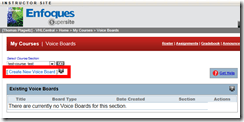
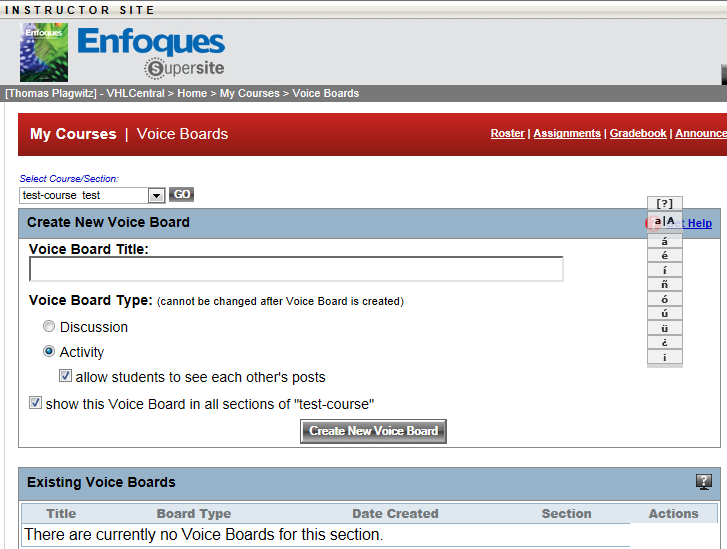
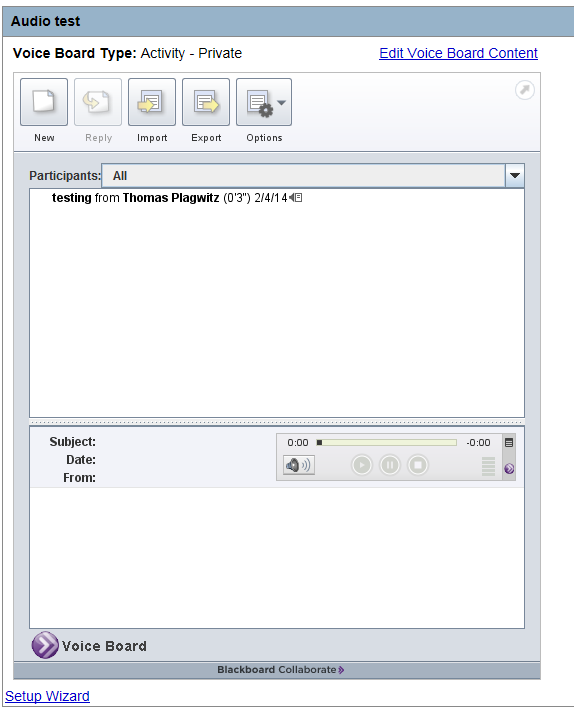
- First I create a voice board,

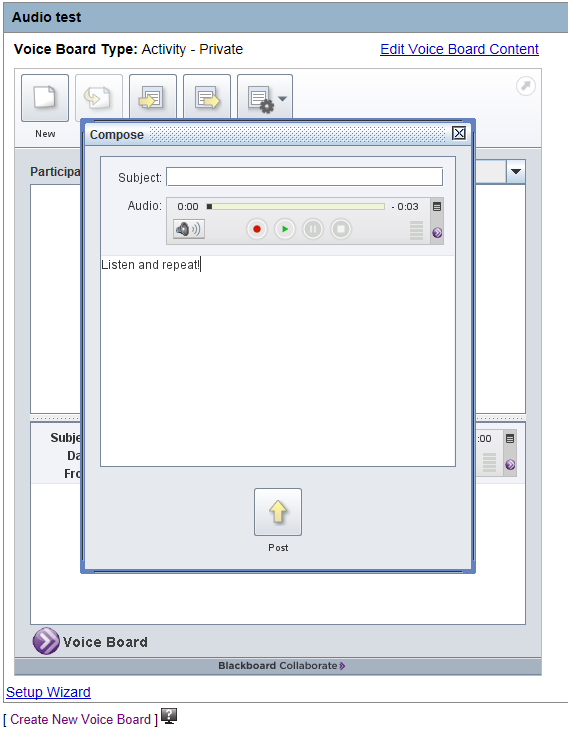
- and add an audio contribution so that students can respond:
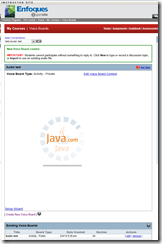
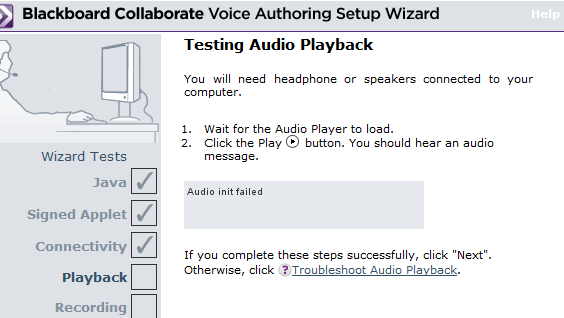
- Fail:
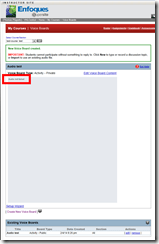


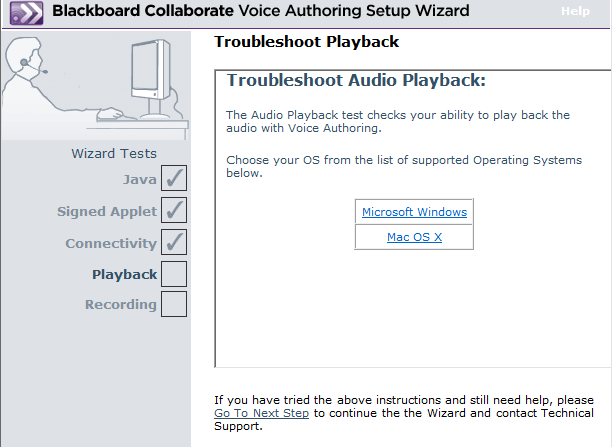
- More fail


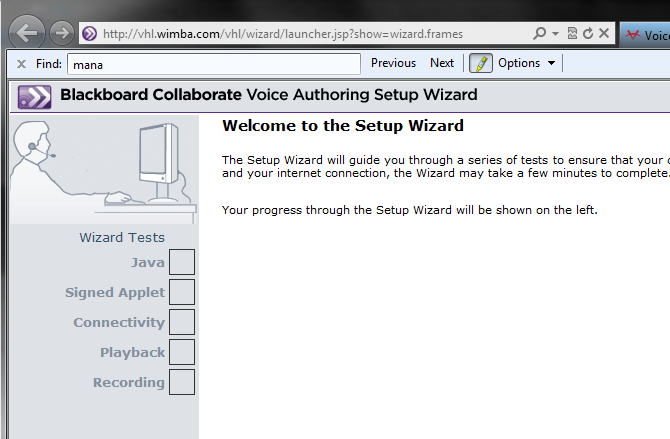
- The help offered is of no use: “If the Applet displayed the message “Audio Unavailable”, click here. “ This is neither the error message, nor does the help address Java (but rather audio hardware config) issues
- But if you refresh (F5 suffices) the window with the Setup Wizard, it starts working?

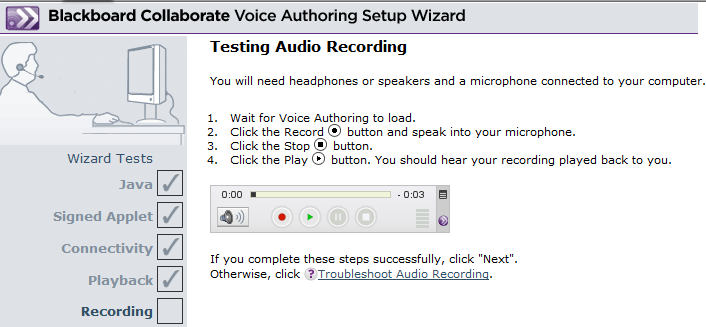
- Even the audio recorder:

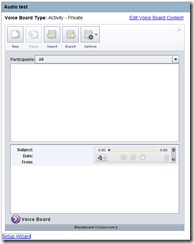
- And the voice board (after F5):
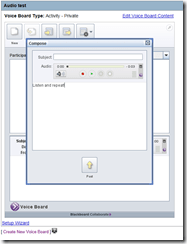

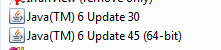
- What Java version is this under ?
 really? have I restarted after uninstall of 7.54?
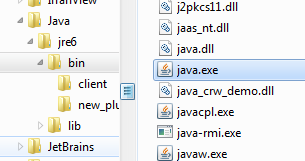
- The running process here is now Java 6.
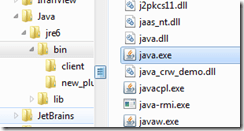
- Still need to test on Java 7.45.
- Now a user needs to test from the student view







How to test Blackboard IM (formerly Wimba Pronto) for Vista Higher Learning Textbooks
- After logging in on vhlcentral.com,
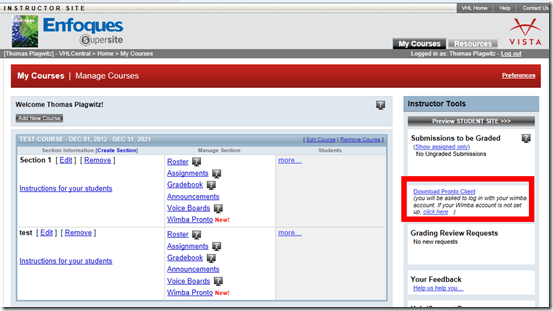
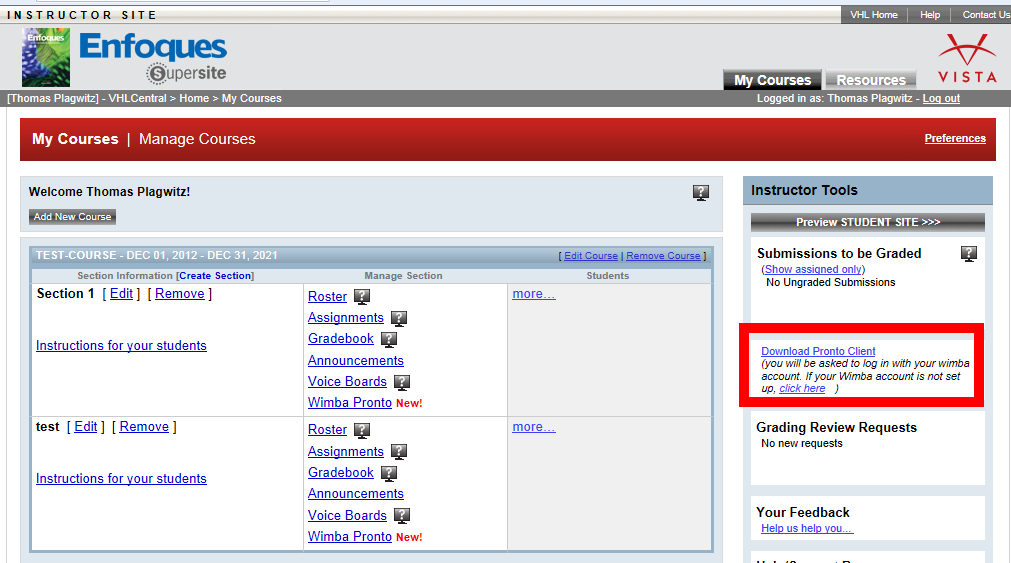
- the Software is linked on your “My courses” page:
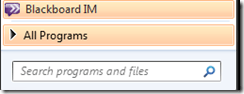
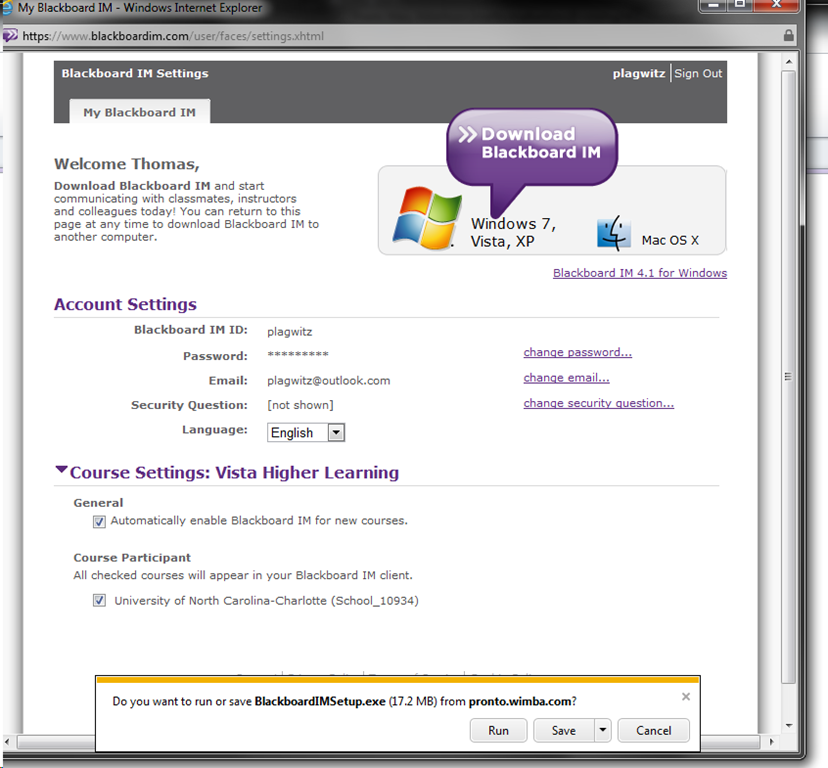
- Download and install:

- After install:
- Mine was already enabled, but the help says:
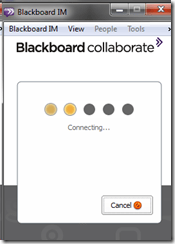
 Log in (Note: my account info was different form my vhlcentral.com)

- Check out the Tools menu
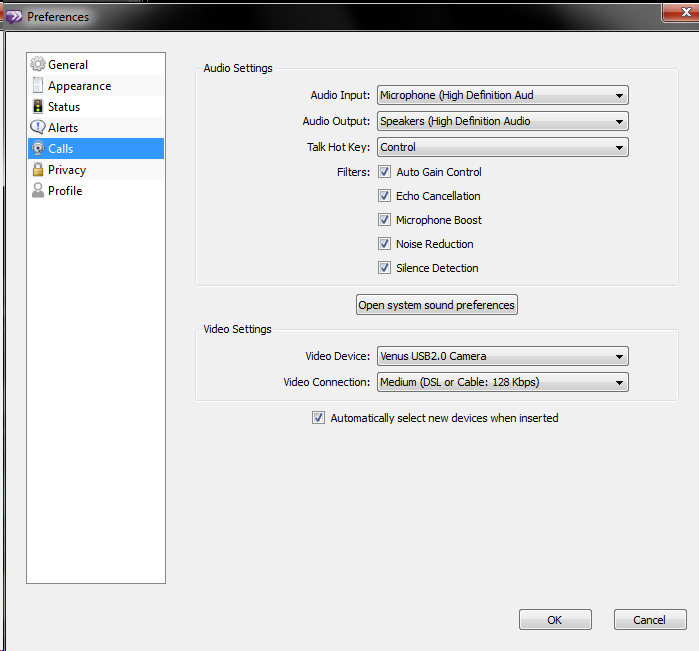
- Audio settings should be especially interesting, but there ix no built-on test:

- Need a partner for testing ..


Experiencing frequent crashes of Sanako student light recorder
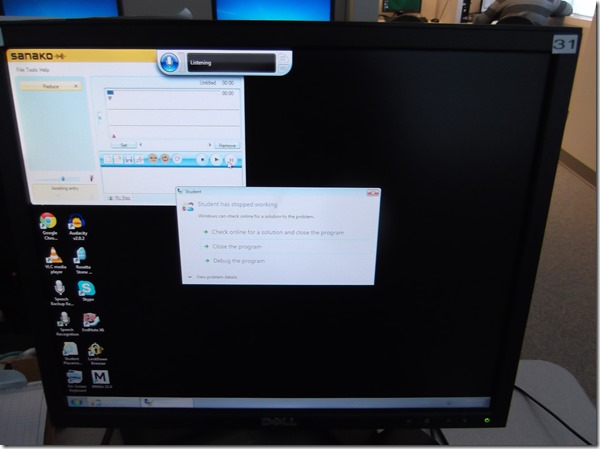
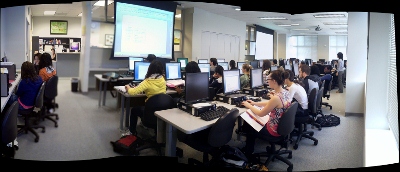
- The new weekly headset check by LRC assistants brought to light that the Sanako student recorder (updated to 7.1, but I did not observe this during a very brief test at start of term):
- Students provide us with large sets of photos like this:
- Need to investigate:
- what is the detail ?
- only on startup? what happens when the sanako is closed and restarted?
- collect the sanako log files before the (frozen) computer gets restarted

Old new problem in Sanako Study 1200 version 7 with 2 student recorder exe’s running simultaneously on client, under different user accounts?
- –
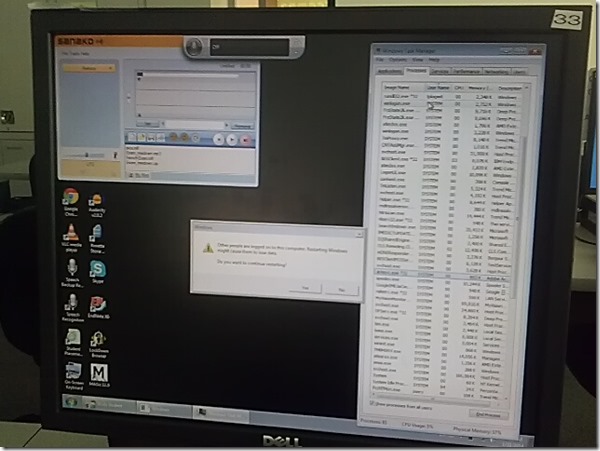
- This images is too low resolution, but I am trying to demonstrate that we still experience the same issue as in the fall: two users can be logged in simultaneously. In both cases ones was me. this can cause the language lab software to fail.
- If generally this is supposed to be prevented in our computing environment, what may be the root cause in these instances?
- I am pretty sure mstsc’ing has nothing to do with it. I do not remote into that PC usually.
- Is it possible for another user to log in when previous (administrative?) users got locked?


Questions? Read the About. Or just ask me a quick Our Databases: Resources with calendars -- Language learning material Moodle Sites, multimedia files -- films


FAQs for LRC student staff or for students or for teachers. To search our FAQs, in the browser addressbar, add after "https://plagwitz.wordpress.com/feed/?tag=faqs+/" "+TAG1" (from tag cloud below) OR "https://plagwitz.wordpress.com/feed/tag=faqs
&category_name=" "CAT1" (from category hierarchy below). OR search both categories and tags, and multiple TAGs/CATs (connect with "," for OR-search, with "+" for AND-search), like so: https://plagwitz.wordpress.com/feed/?tag=TAG1+TAG2+...TAGn&category_name=CAT1
+CAT2+...CATn"
Other ways to find help
If you cannot find it here, look there: 5,500 Language-Learning Links and Programs for learning or teaching 150 languages
Shortcuts:Our Lists, Our Maps, LRC Staff Moodle Site,LRC Project Moodle Site, 49erexpress, UNCC Moodle, Student Recordings: s:claslcslrcsanakostudent
Learning usage samples: Sanako oral exam, Kaltura webcam presentation, Dictation with speech recognition, Sanako written exam, Chinese and Japanese interactive stroke-order practice
Test the Sanako Installer, Webbrowser Popup Konfigurator for XP, or Windows7, faster LRC TeacherPC Log-in Let MS facilitate diacritics writing by installing for you US-International keyboard layout
This is my personal blog (Google+). The views expressed on these pages are mine alone and not those of my employer. The information in this weblog is provided “AS IS” with no warranties, and confers no rights.
 Thomas' Work Space
